
At a Glance
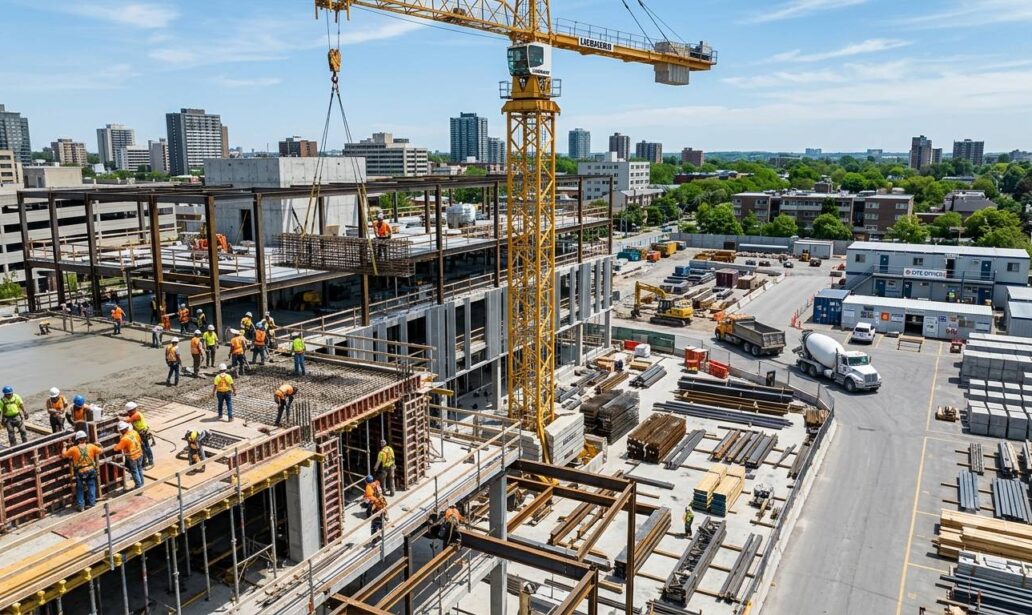
Construction productivity relies on effective planning, suitable resources and good communication. Worker welfare, material availability, site organisation and equipment management all influence how efficiently a project progresses. When these areas work together, teams can spend more time completing productive tasks and less time dealing with avoidable delays, confusion or interruptions.
The Factors that Keep Construction Projects Moving
Construction site productivity depends on more than how quickly workers complete their tasks. A project can have a skilled workforce and still fall behind when planning, materials or communication are not properly managed. Small delays quickly affect several other areas of work, creating pressure across the entire site.
The way workers are supported also plays an important role in maintaining performance throughout a project. When people have suitable facilities, clear instructions and the resources they need, they work more effectively. Good organisation reduces wasted time and keeps different teams moving towards the same goal.
From scheduling and materials to welfare and equipment, multiple factors influence how smoothly construction work progresses. Understanding these areas helps you identify potential problems before they begin affecting productivity.
Planning Sets the Pace for the Whole Project
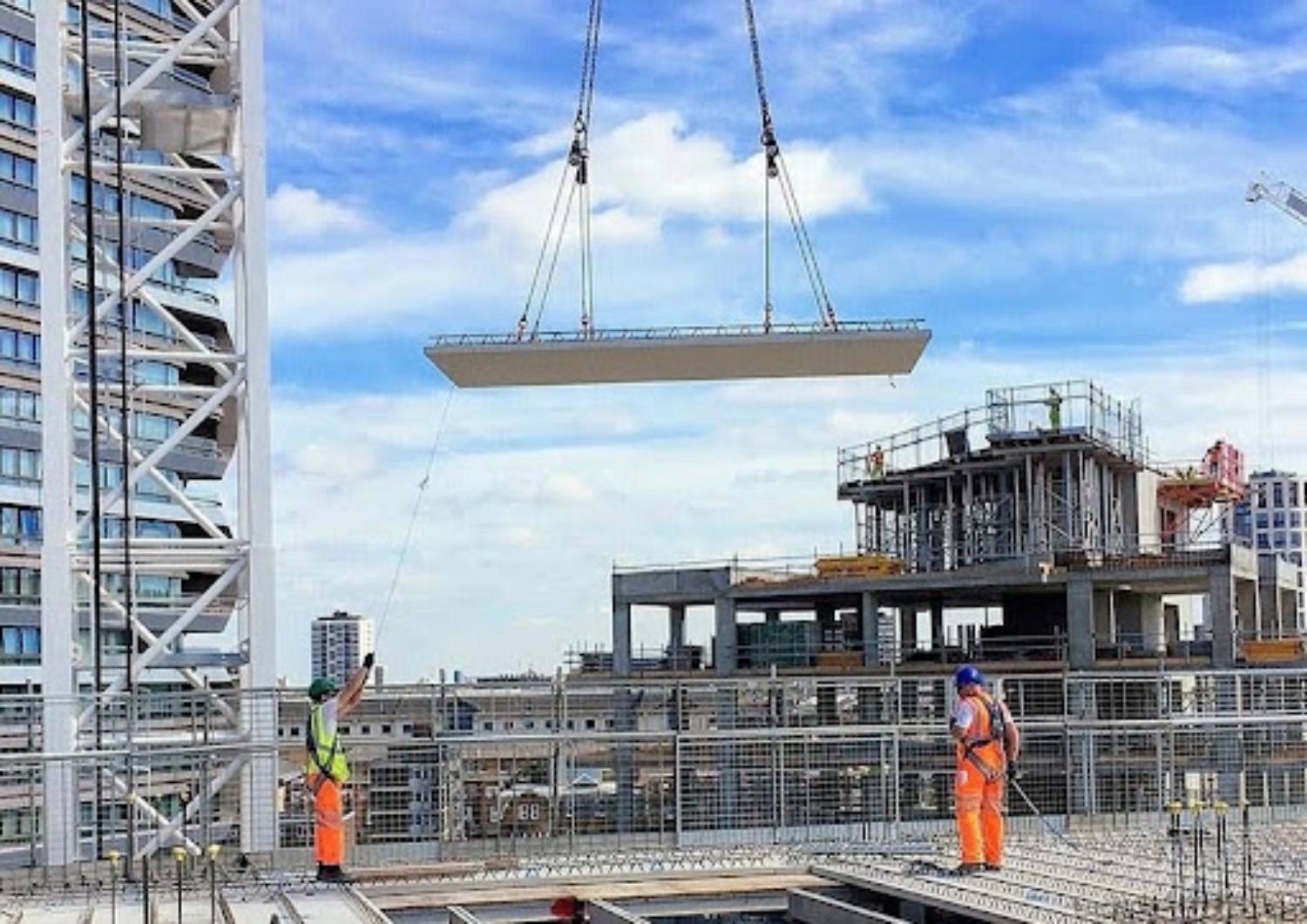
Every construction project needs a clear plan before work begins. Timelines help teams understand what needs to happen, when tasks should take place and how different stages connect. Without careful planning, one delay can affect several other parts of the project.
Materials, equipment and workers must be available at the right time. If one element is missing, other teams may be unable to continue with their work. Regular communication among project managers, contractors and suppliers helps identify possible problems early. This allows changes to be made before a small issue turns into a major setback.
A realistic schedule also needs to account for changing conditions, as weather, deliveries and unexpected site issues can affect progress. Building more flexibility into plans helps teams respond without losing control of the wider project.
A Comfortable Workforce Is a More Productive One
Worker welfare directly impacts how effectively a construction site operates. People need access to suitable facilities throughout the working day, especially on larger projects where teams spend longer periods on site.
Facilities such as toilets, washing areas and spaces for rest support basic comfort and well-being. On sites with larger workforces, a 10-man welfare unit hire can provide appropriate amenities for the number of people using them. Having reliable provisions available helps workers take necessary breaks without creating unnecessary disruption to the working day.
Welfare planning should begin early and account for the size of the workforce. Facilities also need regular maintenance to remain clean, functional and fit throughout the project. When workers feel properly supported, maintaining focus and morale becomes easier.
Reliable Materials Keep Work Moving
Construction work cannot progress efficiently when essential materials are unavailable. Delayed deliveries leave workers waiting and create knock-on problems for other teams working to the same schedule.
Material planning should cover what is needed, how much will be required and when deliveries need to arrive. Aggregates are used across many construction projects for purposes including foundations, drainage and concrete production. Choosing a dependable supplier, such as Storefield Aggregates, helps construction teams source the materials required for different stages of a project. A reliable supplier ensures that materials arrive in the right quantities and within the agreed timeframe.
Storage further requires careful consideration once materials are delivered on the site. Poor organisation makes items difficult to locate and creates additional work for the workforce. Keeping materials accessible and protected helps teams spend more time on construction tasks.
Site Organisation Reduces Unnecessary Delays
How a site is organised can have a noticeable effect on productivity. Workers need to move around safely and access the equipment and materials required for their tasks.
Poorly planned storage areas create congestion and make materials difficult to retrieve. Access routes also need to remain clear so workers, vehicles and deliveries can move around the site efficiently. A well-organised site reduces unnecessary movement while preventing avoidable disruptions.
Good housekeeping is equally important, and removing waste and keeping work areas tidy reduces hazards while making it easier for teams to focus on their responsibilities. These small improvements have a significant effect when repeated throughout a long project.

Communication Helps Teams Work More Efficiently
Construction projects involve many different people working towards the same objective. Clear communication ensures everyone understands their duties and knows about the changes that affect their work.
Instructions need to be clear and passed to the right people at the right time. Regular updates help contractors coordinate their schedules and avoid completing tasks in the wrong order. Communication also lets potential problems be raised before they cause significant delays.
Technology supports this process by helping teams share information quickly. However, effective communication still relies on people taking responsibility for keeping others informed. When information is unclear or delayed, even well-planned work can become inefficient.
Equipment and Resources Need Careful Management
Tools, machinery and other equipment contribute to construction productivity. When equipment is unavailable or breaks down unexpectedly, workers may be unable to complete planned tasks.
Regular maintenance helps identify problems before equipment fails during important stages of work. Teams should know where equipment is located and who is responsible for its use. This reduces time spent searching for tools or waiting for machinery to become available.
Resources should be reviewed throughout the project as requirements change. Equipment needed during early groundwork may not be required during later finishing stages. Carefully managing these changes prevents unnecessary costs while keeping the site running smoothly.
To Sum Up
Construction site productivity depends on various factors working together. Careful planning provides teams with direction, while suitable welfare facilities support the workforce throughout the project. Reliable materials, organised work and well-maintained equipment keep daily work moving smoothly.
Clear communication ensures everyone understands what needs to happen and when. By paying attention to these areas, you reduce unnecessary delays and create a more efficient working environment. Productivity is ultimately built through consistent organisation, preparation and support in every stage of construction.