
At a Glance
Successful allotment gardening is built on consistent habits rather than complicated techniques. From planning properly and caring for your soil to staying organised and learning from each season, small improvements can lead to healthier plants, stronger harvests and a more enjoyable gardening experience throughout the year.
The Foundations of a Thriving Allotment
When you first take on an allotment, it is easy to believe that success comes down to luck or years of experience. In reality, the most productive plots are usually the result of good habits, thoughtful planning and consistent care. As you spend more time working on your plot, you begin realising that even small decisions can make a noticeable difference to the health of your plants and the quality of your harvest.
One of the first things experienced growers understand is that every site operates a little differently. Taking the time to familiarise yourself with allotment rules helps you understand what is expected, allowing you to make the most of your space from the very start. Once those foundations are in place, you can focus on the everyday habits that foster healthy growth and make gardening more rewarding.
They Start Every Season with a Clear Plan
Successful allotment gardeners rarely begin planting without thinking ahead. Before seeds go into the ground, they already have a clear idea of what they want to grow, where each crop will go and how different plants will work together across the season.
Planning helps you make better use of your available space while avoiding unnecessary overcrowding. It also allows you to stagger sowing times, giving you a steady supply of vegetables instead of everything becoming ready at once. A simple sketch of your plot or a basic planting calendar often saves more time than you might expect.
Looking ahead also makes it easier to prepare for changing weather conditions. If you know when particular crops should be planted, fed or protected, you can respond more confidently rather than making rushed decisions. Good planning does not remove every challenge, but it gives you a stronger starting point.
They Put Soil Health Before Everything Else
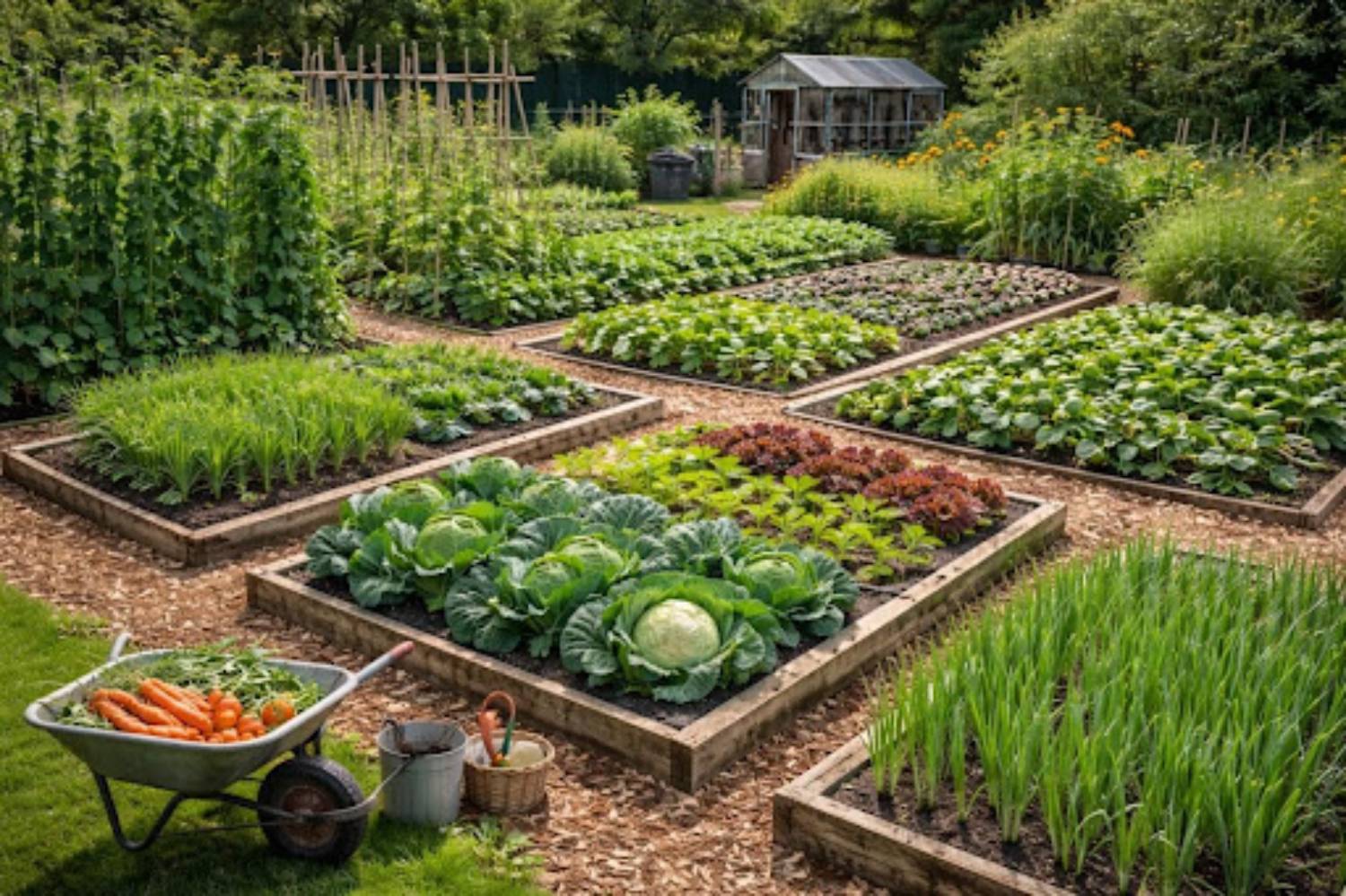
If you want healthier plants, your attention should begin beneath the surface. Successful gardeners understand that strong crops rely on healthy soil long before leaves or flowers appear.
Adding compost, improving drainage and regularly checking soil condition contribute to stronger root systems. Rather than treating the soil as something that only holds plants in place, experienced growers see it as the foundation of every successful harvest.
Healthy soil also retains moisture more effectively during warmer periods while letting excess water drain away after heavy rain. This creates better growing conditions all year while reducing stress on your plants during unpredictable weather.
Improving your soil is rarely a one-time task. Small improvements made consistently over time often produce better results than occasional large efforts.
They Stay Consistent Instead of Chasing Perfection
Many new gardeners feel they need to spend entire weekends at their allotment for it to thrive. In reality, successful growers often achieve more by visiting regularly and tackling smaller jobs before they become bigger problems.
Removing weeds while they are still young, checking crops for signs of pests and watering when conditions require it all become easier when you stay consistent. These routine visits also help you notice changes much earlier, allowing you to deal with issues before they affect the rest of your plot. Consistency also removes much of the pressure that comes with gardening. Instead of feeling overwhelmed by a growing list of jobs, you slowly build habits that become part of your normal routine. Over time, those small efforts add up to healthier plants, tidier beds and a more productive allotment.
They Learn From Every Growing Season
Even the most experienced allotment gardeners have seasons where certain crops perform better than others. The difference is that they use each experience to improve and not see setbacks as failures. Every growing season offers valuable lessons that help you make better decisions the next time around.
Keeping simple notes about planting dates, weather conditions and harvest results reveals useful patterns over time. You may discover that some varieties perform better in your plot or that changing the position of certain crops improves yields. These observations become more valuable as your experience grows.
Being willing to adapt is another important habit most growers exhibit. Successful gardeners are open to trying different methods when something is not working, but they avoid making unnecessary changes just for the sake of it. Small adjustments based on experience usually lead to steady improvement from one year to the next.
They Make Time to Enjoy the Process
A productive allotment is rewarding, but the most successful gardeners know that the experience goes beyond the harvest itself. Spending time outdoors, watching plants develop and working steadily towards each season’s goals becomes part of the enjoyment.
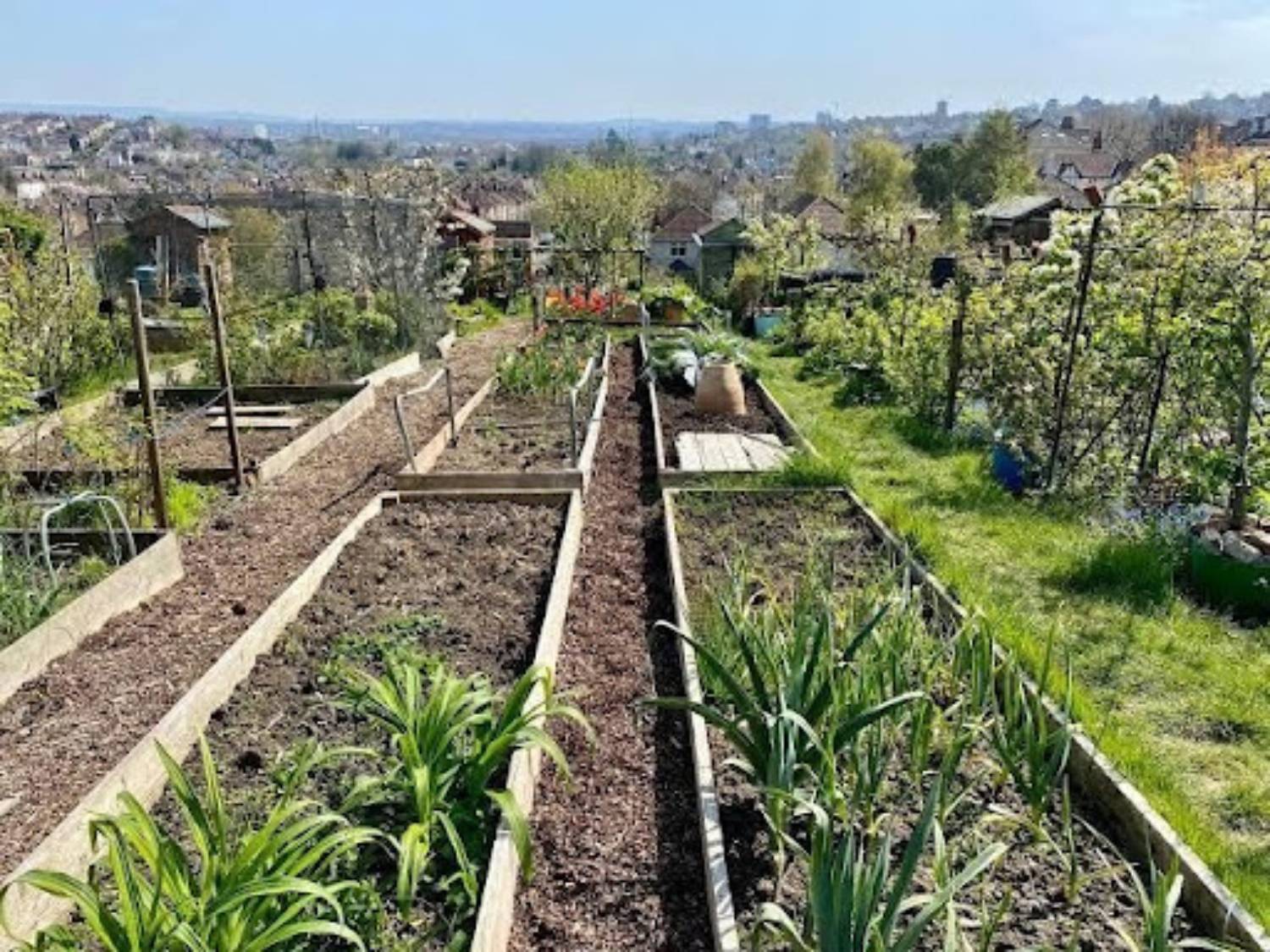
Not every visit needs to involve a major task. Sometimes simply walking around your plot, checking how everything is growing and appreciating the progress you have made is equally worthwhile. These quieter moments often help you spot small changes that may otherwise go unnoticed.
When gardening becomes something you truly enjoy rather than another job to complete, it is much easier to stay motivated year-round. That consistency often proves to be one of the many reasons some allotments continue to thrive season after season.
In Conclusion
Successful allotment gardening is rarely about having the biggest plot or the most advanced equipment. More often than not, it comes down to the everyday choices you make and the habits you build over time. Planning, caring for your soil, staying consistent and learning from each season contribute to healthier plants and more reliable harvests.
As you continue developing your own allotment, remember that progress happens gradually. Every visit, every lesson and every small improvement helps create a plot that becomes more productive and enjoyable with each passing season. By focusing on steady growth rather than quick results, you will build an allotment that rewards your efforts for many seasons to come.