
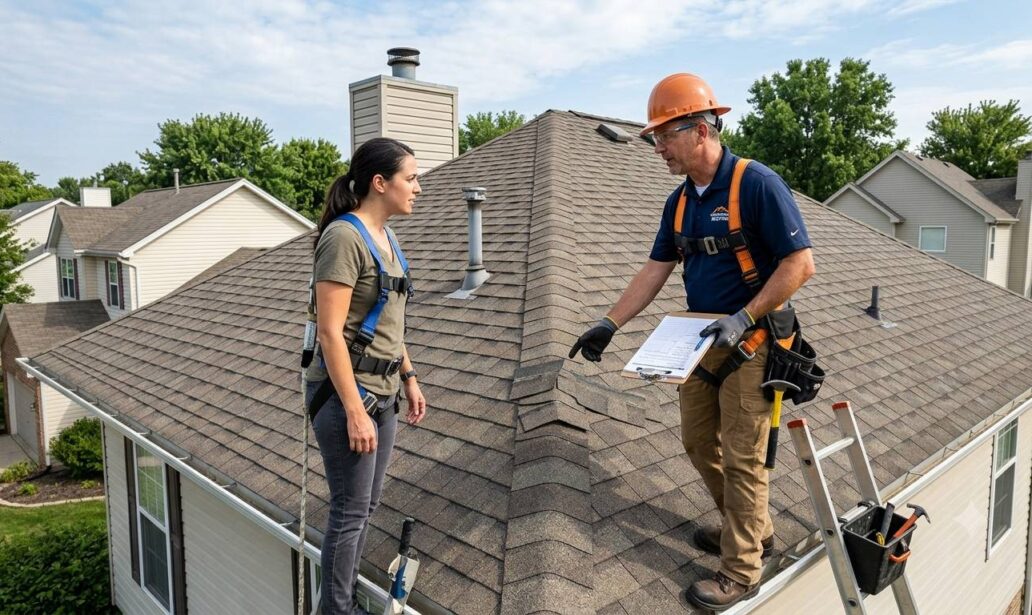
Hiring a professional roofer is an important decision for any homeowner. Your roof protects the property from rain, wind, sunlight, and changing temperatures, so poor workmanship can lead to costly problems later. Whether you need minor repairs, maintenance, or a complete roof replacement, choosing a dependable contractor can make the entire project safer and easier to manage.
Before hiring a clearwater roofer, homeowners should look beyond price and consider experience, qualifications, insurance, communication, and the quality of materials being proposed. Taking time to compare contractors carefully can help you avoid unclear agreements, unexpected costs, and workmanship that may not meet appropriate standards.
Check Experience and Relevant Roofing Knowledge
Roofing experience matters because different properties and roofing materials require different methods. A contractor who regularly works with the type of roof on your home will be better prepared to identify problems, recommend suitable solutions, and explain which repairs genuinely need attention. Ask how long the contractor has worked in roofing and what types of projects they commonly complete.
When speaking with a clearwater roofer, also ask about experience with local weather conditions and common roofing materials used in the area. Local knowledge can be useful when assessing drainage, ventilation, storm damage, moisture exposure, and material suitability. However, experience alone should not determine your decision, so consider it alongside qualifications, insurance, references, and the proposed scope of work.
Confirm Licensing and Insurance
Homeowners should check whether a roofing contractor holds any licences, registrations, or professional credentials required by the relevant local authority. Requirements vary by location, so it is sensible to confirm the rules that apply in your area rather than relying only on what appears on a contractor’s website or advertising material.
Insurance is equally important. Ask for evidence of appropriate liability insurance and, where applicable, workers’ compensation cover. Proper insurance can protect if accidental property damage or workplace injuries occur during the project. Do not hesitate to verify documents if anything appears unclear or outdated.
Request a Detailed Written Estimate
A professional roofing estimate should provide enough information for you to understand what you are paying for. It should describe the proposed work, materials, labour, removal of old roofing where necessary, disposal arrangements, expected timescales, and the overall price. Clear documentation also makes it easier to compare several contractors fairly.
Useful details to check include:
- Roofing materials and product specifications
- Labour and installation costs
- Removal and disposal arrangements
- Estimated start and completion dates
- Payment schedule and deposit requirements
- Warranty information
- Procedures for handling additional work
Avoid making a decision based solely on the lowest quotation. A significantly cheaper estimate may exclude work or materials included elsewhere, so compare the complete scope rather than simply comparing final prices.
Look at References and Previous Work
Reliable contractors should usually be able to provide examples of completed roofing projects or references from previous customers. Looking at similar work can help you understand the contractor’s experience, attention to detail, and ability to manage projects comparable with your own property.
Online reviews can provide additional information, but they should be considered alongside other checks. Look for consistent comments about communication, reliability, cleanliness, workmanship, and how problems were handled. A mixture of feedback can often provide a more realistic picture than relying on a single review.
Pay Attention to Communication
Good communication is particularly important when roofing work may take several days or involve unexpected findings. A professional contractor should explain the proposed work clearly, answer reasonable questions, and provide information about scheduling, access requirements, materials, and possible disruption.
Notice how the contractor communicates before you sign an agreement. Slow responses, vague answers, pressure to make an immediate decision, or unwillingness to put important details in writing may be reasons to investigate further. Clear communication at the quotation stage often helps establish expectations for the project itself.
Understand Materials and Warranties
Ask which roofing materials they will use and why they suit your property. Different materials have different installation requirements, maintenance needs, expected service lives, and costs. A knowledgeable contractor should be able to explain the available options without pushing you towards a particular product without a clear reason.
You should also understand any warranties offered. Manufacturer warranties may cover roofing materials, while a contractor may provide separate workmanship cover. Read the terms carefully, including exclusions, maintenance requirements, claim procedures, and the length of coverage, rather than relying on verbal assurances.
Wrapping Up
Choosing a professional roofer requires more than finding someone who offers an attractive price. Homeowners should consider experience, relevant qualifications, insurance, written estimates, references, communication, materials, and warranty terms before making a commitment. Comparing these factors provides a clearer basis for choosing a contractor.
Take enough time to ask questions and review the proposed agreement before work begins. A clear scope of work, documented costs, suitable materials, and open communication can reduce misunderstandings and help ensure the roofing project is managed professionally from beginning to end.