
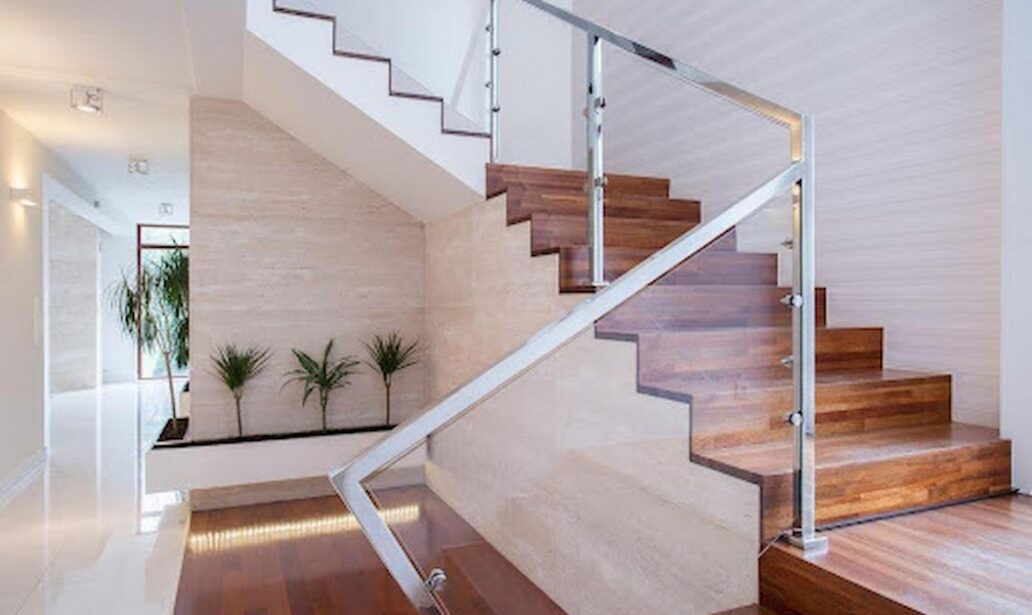
When you think about modernising a home in Australia, a glass balustrade often tops the list. It adds a sleek, open feel to decks, staircases, and pool surrounds while keeping safety front-and-centre. But installing a glass balustrade is more than just picking a pretty pane. From local building codes to the right supplier, there are several factors that can make or break your project. In this guide we’ll walk through eight essential considerations, sprinkle in some Aussie-specific tips, and finish with a handy Q&A to clear up any lingering doubts.
1. Understand the Australian Building Code (ABC) Requirements
The first step before buying any glass balustrade is to check the Australian Building Code (ABC) and the relevant state or territory standards. In most jurisdictions the balustrade must resist a minimum load of 0.5 kN (about 50 kg) applied at any point, and the gaps between panels cannot exceed 12 mm to prevent a child’s head from getting stuck. Queensland, New South Wales and Victoria each have a slightly different interpretation of these rules, so it’s worth confirming the exact numbers with your local council or a certified building surveyor.
2. Choose the Right Glass Thickness and Type
Glass balustrade panels typically come in 8 mm, 10 mm, or 12 mm thicknesses. Thicker glass offers better strength and reduces the chance of flex under wind loads—important for coastal homes where sea breezes can be strong. Tempered safety glass is the standard for balustrades because it shatters into small, blunt pieces if broken. Some homeowners opt for laminated glass for added sound insulation, especially on balconies overlooking busy streets or highways.
3. Decide on the Fixing System
The way your glass balustrade is anchored can affect both aesthetics and durability. Common fixing methods in Australia include:
- Clamp-on posts: Visible metal brackets that hold the glass in place, offering a contemporary look.
- Splice or channel systems: The glass slides into a concealed aluminium channel, giving a “floating” appearance.
- Stainless-steel cable railings: Cables run between posts, supporting the glass while adding a light, airy feel.
When selecting a system, think about the surrounding architecture and the level of maintenance you’re comfortable with. Stainless-steel components are popular in coastal areas because they resist corrosion better than regular steel.
4. Factor in Weather and UV Exposure
Australia’s sun is fierce, and UV rays can cause glass to yellow or weaken over time. Look for glass balustrade manufacturers that offer UV-protective coatings or low-iron glass, which reduces tint and improves clarity. In hot climates like Perth or Adelaide, a double-glazed system can also help keep the area beneath the balustrade cooler, making it more comfortable for outdoor living.
5. Meet Accessibility and Age-Friendly Standards
If you have elderly family members or plan to rent out your property, consider the Australian Standards for accessibility (AS 1428). A glass balustrade with a smooth, continuous surface and minimal gaps is easier for wheelchair users to navigate. Some owners add a low-profile handrail on top of the glass for extra support without compromising the visual lightness of the design.
6. Choose a Reputable Local Supplier
Australia boasts a strong network of glass balustrade specialists. Companies based in Sydney, Melbourne, Brisbane, and Perth often have in-house fabrication workshops, which can shorten lead times and reduce shipping costs. When vetting a supplier, ask for:
- Proof of compliance with the ABC and local council approvals.
- Examples of recent installations in your state.
- Warranties on glass strength and hardware corrosion resistance.
- References from homeowners who have installed a glass balustrade on a similar project.
A local installer also knows the nuances of regional weather—like the salty sea mist in the Gold Coast or the bushfire-prone zones of Tasmania—and can recommend the best protective finishes.
7. Plan for Maintenance and Cleaning
Keeping a glass balustrade sparkling is easier than you might think, but a regular cleaning routine extends its life. Use a non-abrasive glass cleaner and a soft microfiber cloth. In areas with hard water, such as parts of Sydney’s western suburbs, a vinegar-based solution can prevent mineral deposits. For coastal properties, rinse the glass with fresh water after storms to wash away salt that can accelerate corrosion on metal fixings.
8. Budget for Installation and Ongoing Costs
While a glass balustrade looks luxurious, the price can vary widely. A basic 8 mm tempered panel with simple clamp-on posts may start around $250 per square metre, whereas a high-end laminated system with concealed channels can exceed $500 per square metre. Don’t forget to add labour costs, council permit fees, and a contingency for any unexpected structural adjustments. In many Australian cities, a licensed installer will include a detailed quote that breaks down each component, helping you stay on track financially.
Local Regulations and Standards – A Quick Reference
Below is a snapshot of the most common regulation points you’ll encounter across Australia. Use this as a checklist when you speak with your builder or council.
- Height: Minimum 900 mm for residential stairways; 1000 mm for commercial spaces.
- Load resistance: 0.5 kN (50 kg) per panel, tested in accordance with AS/NZS 1170.
- Gap size: No more than 12 mm between glass panels.
- Handrail requirement: For heights over 1000 mm, a handrail must be provided at 900-1000 mm above the floor.
- Corrosion protection: Stainless-steel or aluminium hardware is recommended in coastal zones.
Design Trends for Glass Balustrades in Australian Homes
Australian homeowners love to blend indoor and outdoor living. Here are a few design ideas that are gaining traction:
- Frameless panels: Creates an uninterrupted view of the ocean or hinterland.
- Tinted or frosted glass: Adds privacy for pool areas while still letting light through.
- Mixed materials: Combining glass with timber handrails or stone balusters for a warm, natural feel.
- Integrated lighting: LED strips hidden in the base of the balustrade highlight the glass at night.
Questions and Answers: Common Questions About glass balustrade in Australia
What are the council approval steps for a glass balustrade in New South Wales?
First, submit a Development Application (DA) with detailed drawings showing panel size, height, and fixing method. The council will check compliance with the Building Code of Australia and local fire safety rules. Once the DA is approved, you’ll need a Construction Certificate (CC) before any work begins. A licensed installer can usually handle the paperwork on your behalf.
Can I install a glass balustrade myself, or do I need a licensed professional?
In most Australian states, installing a glass balustrade is classified as “building work” that requires a licensed builder or a certified glazier. This ensures the work meets the structural load requirements and that the warranty remains valid. DIY installation may void insurance and could lead to costly rework if the balustrade fails an inspection.
How does a glass balustrade perform in bushfire-prone areas?
For properties in bushfire zones, the glass itself is non-combustible, but the supporting hardware must be fire-rated. Look for stainless-steel or aluminium brackets that meet the Australian Standard AS 3959 for construction in bushfire-prone areas. Some manufacturers also offer fire-resistant silicone sealants to protect the joints.
What maintenance schedule should I follow for a glass balustrade near the coast?
Coastal homes should clean the glass at least once a month to remove salt deposits. Inspect the metal fixings quarterly for signs of corrosion and apply a marine-grade protective coating if needed. A professional inspection every two years will catch any hidden cracks or hardware loosening before they become a safety issue.
Are there any tax incentives or rebates for installing a glass balustrade in Queensland?
Queensland offers a “Home Improvement Scheme” that provides a small rebate for energy-efficient upgrades, but glass balustrades are not typically classified as energy-saving. However, if the balustrade is part of a larger renovation that includes solar panels or energy-efficient windows, you may qualify for a combined rebate. Check the Queensland Government’s website or speak with a local builder for the latest details.
Conclusion: Your Path to a Successful glass balustrade in Australia
Installing a glass balustrade can transform your home, giving it a modern, open feel while keeping safety front-and-centre. By understanding the Australian Building Code, selecting the right glass thickness, choosing a suitable fixing system, and working with a reputable local supplier, you set the foundation for a durable and beautiful installation. Remember to factor in weather exposure, accessibility standards, and ongoing maintenance to protect your investment for years to come. With the checklist and Q&A above, you’re equipped to navigate council approvals, budget wisely, and enjoy a glass balustrade that complements the Australian lifestyle—whether you’re watching the sunset over the Great Ocean Road or entertaining on a sun-drenched Brisbane balcony. Take the next step: contact a certified glazier, request a detailed quote, and start planning the design that best fits your home’s character. Your new glass balustrade is just a few informed decisions away.