
At a Glance
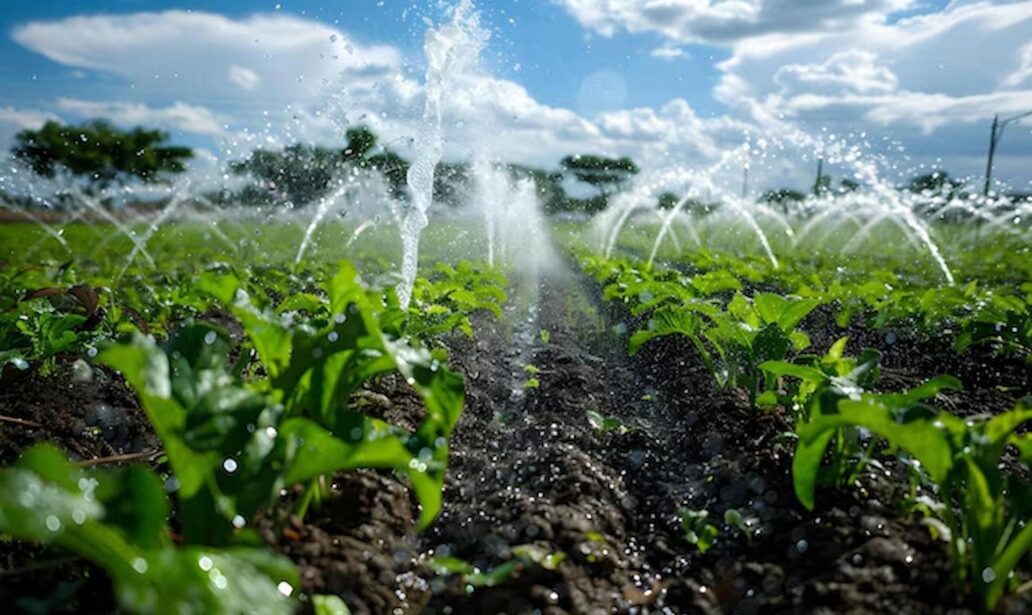
Smart irrigation improves water use by responding to changing conditions rather than relying on fixed routines. It supports healthier growth, reduces waste and helps manage resources with greater accuracy. By improving efficiency across different growing spaces, smarter irrigation creates practical ways to support sustainability while making everyday watering decisions easier.
Why Water Management Is Moving Beyond Routine
Water shapes every part of a healthy, growing environment and long-term results. Even fertile soil struggles when watering patterns remain uneven through changing conditions. Many growers now review how an automatic irrigation system supports better control. This shift reflects growing interest in using water more carefully.
Traditional watering depends on routine rather than changing environmental conditions. What seems consistent can still lead to waste or uneven moisture levels. Plants receive too much water one day and too little the next, affecting growth more than many growers first realise.
A more thoughtful approach begins by treating watering as responsive rather than fixed. Instead of relying on habit, decisions respond to changing conditions, improving efficiency while supporting healthier, more balanced growth. It also shapes how modern irrigation thinking continues to develop.
1. Smarter Irrigation Improves Water Precision
One major change involves how precisely water reaches where plants need it. Traditional watering spreads moisture beyond root zones when little benefit follows. Smart irrigation applies water more accurately and reduces avoidable waste, supports healthier plants while using fewer resources over time.
Conditions rarely remain constant across gardens, greenhouses or productive growing spaces. Soil moisture changes daily, while sunlight and temperature affect evaporation differently. Smarter systems respond to these changes without relying on manual adjustments, supporting more consistent results as growing conditions change.
Precision also supports sustainability by aligning water use more closely with demand. Plants receive support when conditions require it, rather than through routine assumptions, thereby improving root development and reducing stress from uneven watering. Over time, this balance supports stronger long-term growth.
2. Responsive Systems Adapt to Changing Conditions
One challenge in watering lies in how quickly growing conditions shift. A cool morning becomes dry and warm by early afternoon. Fixed watering routines struggle to respond to these constant environmental changes. Hence, responsive irrigation helps close that gap more effectively.
Smarter systems react when moisture levels drop or temperatures begin to rise. They adjust water delivery according to need rather than a rigid programmed schedule, supporting healthier growing conditions while improving resource efficiency. It also reduces unnecessary watering during cooler or naturally damp periods.
This responsiveness matters because plants rarely need the same support every day. Conditions change across seasons and vary even within a single week. Responsive irrigation creates a steadier environment for reliable plant growth, supporting both productivity and sustainability.
3. Better Resource Use Supports Sustainable Growing
Water efficiency depends less on volume and more on thoughtful use of resources. Smarter irrigation helps ensure available water supports growth without unnecessary loss. This matters increasingly where supplies face pressure during warmer and drier periods. Efficient systems help manage those pressures more responsibly.
Stored water can also be used more effectively through responsive irrigation methods. Collected rainwater lasts longer when systems apply it only when conditions require, reducing pressure on mains supplies while supporting more sustainable growing practices. For many growers, this practical benefit carries long-term value.
Better resource management also improves confidence when maintaining larger or busier spaces. Growers can manage allotments, beds, or greenhouse conditions with greater consistency, reducing uncertainty and improving daily resource allocation. Sustainable gardening begins with those practical everyday improvements.
4. Automation Reduces Effort While Supporting Better Results
Many growers value irrigation improvements because they significantly reduce routine demands. Daily manual watering becomes difficult during travel, work or changing schedules. Automation helps maintain stability even when regular oversight becomes less practical, supporting healthier plants with less day-to-day intervention.
Reducing manual effort doesn’t mean giving up control over growing conditions. Instead, automation supports informed watering decisions based on environmental response. This creates stronger outcomes than relying on memory or fixed habits alone, and support becomes steadier while management feels less demanding.
Automation also helps growers focus attention on broader aspects of plant care. Time once spent adjusting the watering supports pruning, planting and soil improvement, improving the whole growing environment rather than watering alone. This shows efficiency can support both convenience and better results.
What Smarter Watering Looks Like In Practice
These changes become clearer when viewed in everyday working and growing environments. Conditions across gardens rarely stay predictable enough for routine watering alone. Raised beds dry quickly while sheltered spaces hold moisture much longer, as various conditions need more responsive support
Smart irrigation supports these differences without requiring constant manual corrections. Moisture levels remain balanced because systems respond as conditions evolve naturally, creating steadier growing conditions while reducing common problems caused by inconsistency. Results improve because water use becomes more closely aligned.
Growers also benefit from the confidence that systems continue to work during changing weather. Hot spells, missed visits or busy schedules create less disruption to plant care. Watering continues to support growth even when routines cannot remain perfectly consistent, which explains why adoption continues to increase.
In Conclusion
Smart irrigation is changing how water is managed by improving precision and efficiency. It helps growers move beyond routine and respond more effectively to conditions. Water supports growth more consistently when applied according to actual environmental need, strengthening sustainability in practical everyday ways.
Responsive systems also reduce waste while supporting healthier plants and stronger resource use. They make water management easier to maintain without constant manual oversight, as conditions become less predictable. This approach offers valuable long-term support, helping growing spaces remain productive while using water more responsibly.
In the end, smarter irrigation changes more than watering methods. It improves how people think about efficiency, sustainability and everyday plant care. Better water management begins through small practical shifts in approach, and this is where lasting improvements in growing begin.