
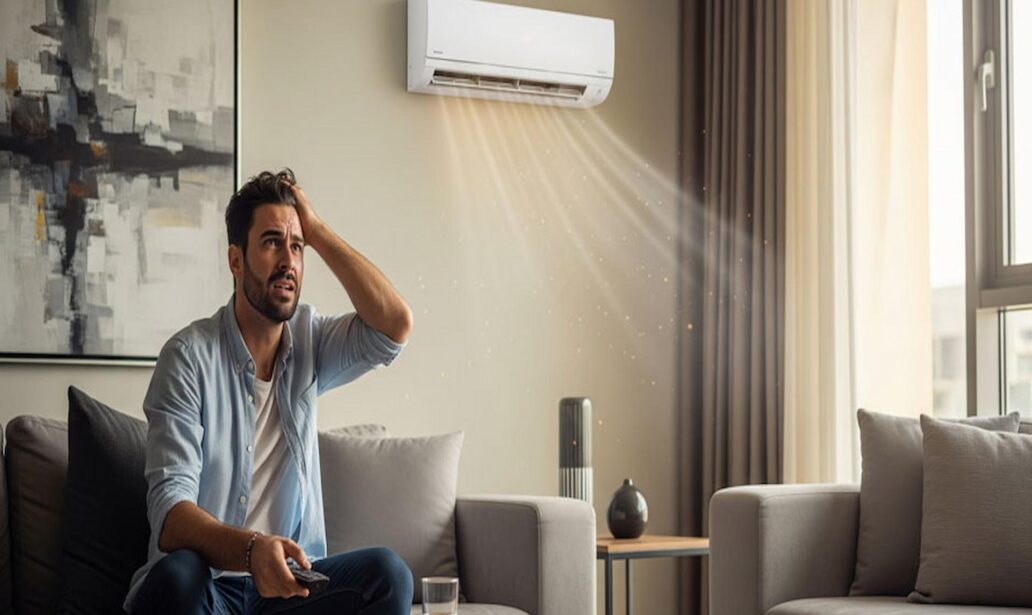
Air conditioning often works quietly in the background until something goes wrong. On a warm day, most homeowners only notice the system when rooms stop cooling properly, energy bills rise, or unusual sounds start coming from the unit. The problem is that many AC breakdowns do not happen without warning. Small changes in performance can signal that the system is struggling long before it stops working completely.
Knowing when to call AC repair experts can help you avoid expensive emergency repairs, protect your comfort, and extend the life of your cooling system. By paying attention to early warning signs, you can deal with minor issues before they turn into major faults.
1. Your AC Is Blowing Warm or Weak Air
One of the clearest signs of a problem is air that feels warm, uneven, or weaker than usual. If your air conditioner is running but not producing cool air, the issue may be linked to low refrigerant, a dirty evaporator coil, a faulty compressor, or restricted airflow.
Weak airflow can also point to clogged filters, blocked ducts, or a failing blower motor. Even if the air feels slightly cool, poor airflow means your system has to work harder to maintain the set temperature. Over time, this increases wear on internal parts and raises energy use.
A simple filter change may help in some cases, but if the problem continues, the system needs a proper inspection.
2. Your Energy Bills Are Rising Without Explanation
A sudden increase in electricity bills can be a sign that your AC is losing efficiency. Cooling systems naturally use more energy during very hot weather, but a noticeable rise without a clear reason should not be ignored.
When parts become dirty, worn, or damaged, the system needs to run longer to achieve the same result. Refrigerant leaks, failing motors, thermostat issues, and dirty coils can all reduce efficiency. The AC may still cool your home, but it will do so at a higher cost.
Comparing your current bills with the same months from previous years can help you spot unusual changes. If the increase is significant, an AC repair technician can identify whether the cooling system is the cause.
3. Strange Noises Are Coming from the Unit
Most air conditioners make a steady, low sound when running, but sudden or unusual noises usually mean something is wrong. Different sounds can point to different issues.
A banging or clanking noise may suggest loose or broken parts inside the compressor or fan assembly. A squealing sound can indicate belt or motor problems. Buzzing may be linked to electrical faults, loose wiring, or failing components. Grinding sounds are especially concerning because they may point to serious motor wear.
Ignoring unusual noises can allow the damage to spread. What begins as a loose part may eventually affect other components, leading to a more costly repair. If the sound is new, loud, or getting worse, it is best to switch off the system and arrange a professional inspection.
4. The AC Keeps Turning On and Off
Short cycling happens when an air conditioner turns on and off more frequently than it should. Instead of completing a normal cooling cycle, the system starts, runs briefly, shuts down, and then starts again.
This can happen for several reasons. The thermostat may be faulty or placed in the wrong location. The air filter may be blocked. The system may be low on refrigerant, or the AC unit may be too large for the space it is cooling. Electrical issues can also cause irregular cycling.
Short cycling is not just annoying. It puts stress on the compressor and other major parts. It also prevents the system from cooling the home evenly. If left unresolved, it can shorten the lifespan of the unit.
5. Some Rooms Feel Cooler Than Others
Uneven cooling is another common warning sign. If one room feels comfortable while another remains warm and stuffy, the issue may not always be the AC unit itself. It could be linked to duct leaks, poor insulation, blocked vents, or an incorrectly balanced airflow system.
However, uneven cooling can also suggest that the air conditioner is no longer strong enough to distribute cool air properly. Ageing components, dirty coils, and low refrigerant levels can all affect performance.
Before assuming the system needs replacement, check whether vents are open and free from furniture or curtains. If airflow still feels inconsistent, a technician can assess the ductwork, thermostat, and AC unit to find the cause.
6. Moisture or Leaks Around the System
Moisture around your air conditioner should always be taken seriously. Some condensation is normal, but visible leaks or pooling water may indicate a blocked drain line, frozen evaporator coil, or refrigerant issue.
A clogged condensate drain can cause water to back up and leak around the indoor unit. This can lead to Mold growth, water damage, and poor indoor air quality. Refrigerant leaks are more serious because they affect cooling performance and may pose health and environmental risks if not handled correctly.
If you notice water stains, damp patches, or unusual moisture near the system, do not wait for the issue to worsen. Early repairs can prevent damage to both the AC unit and surrounding areas of your home.
7. Unpleasant Smells When the AC Runs
Bad odours coming from your cooling system are more than an inconvenience. A musty smell may suggest Mold or mildew inside the ducts, drain line, or evaporator coil. This can affect indoor air quality, especially for people with allergies or respiratory concerns.
A burning smell may indicate an electrical issue, an overheated motor, or damaged wiring. This should be treated as urgent. Turn off the system and arrange a professional inspection rather than continuing to run the unit.
Regular maintenance can reduce the risk of odours by keeping the system clean and ensuring moisture drains properly. Still, any persistent or strong smell should be checked.
Why Early AC Repair Matters
Many homeowners delay AC repairs because the system still appears to be working. However, small faults often place extra strain on expensive parts. A dirty coil can make the compressor work harder. A refrigerant leak can reduce cooling power and damage internal components. A failing fan motor can eventually stop the system from circulating air altogether.
Early repair is usually more affordable than emergency service or full system replacement. It also helps maintain comfort, improve energy efficiency, and reduce the likelihood of breakdowns during peak heat.
Preventive maintenance is equally important. Having the system checked regularly allows technicians to clean key components, test performance, check refrigerant levels, inspect electrical connections, and spot worn parts before they fail.
When Should You Call a Professional?
Some basic AC problems can be checked safely by homeowners. You can replace or clean the air filter, confirm thermostat settings, make sure vents are open, and clear debris from around the outdoor unit. These simple steps can improve airflow and performance.
However, anything involving refrigerant, electrical parts, internal motors, compressors, or persistent leaks should be handled by trained professionals. Air conditioning systems are complex, and incorrect repairs can create safety risks or cause further damage.
If your AC shows more than one warning sign, professional help becomes even more important. For example, warm air combined with rising bills and short cycling could point to a deeper system issue that needs immediate attention.
Conclusion
Your air conditioner rarely fails without giving some kind of warning. Warm air, weak airflow, unusual noises, rising energy bills, uneven cooling, leaks, bad smells, and frequent cycling can all signal that the system needs attention. Acting early can prevent a minor fault from becoming a major breakdown.
A well-maintained AC system keeps your home more comfortable, runs more efficiently, and lasts longer. By recognising these warning signs and arranging timely repairs, you can avoid unnecessary stress, reduce energy waste, and stay prepared before the hottest days arrive.