
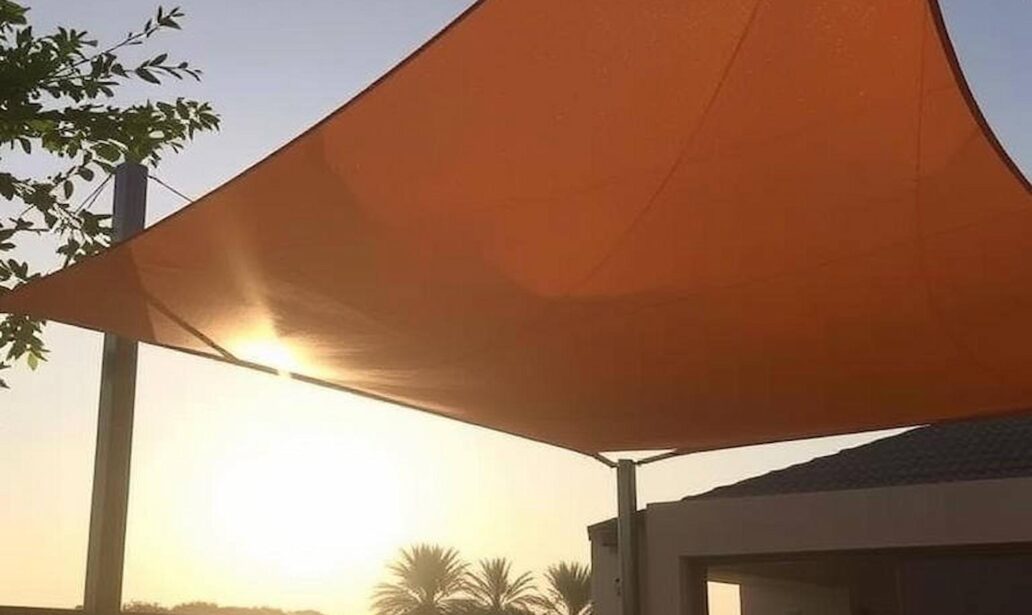
Waterproof shade sails convert your backyard into a all-weather refuge, providing complete protection against rain as well as UV defense. In contrast to standard shade sails which let water in the sail, waterproof models use special materials that ensure that your deck, patio or pool dry in the rain and block more than 95% harmful ultraviolet rays. For those who want flexible stylish, durable, and fashionable shade solutions, knowing how to choose the appropriate waterproof sail can ensure long-lasting outdoor living.
Why Choose Waterproof Shade Sails?
Waterproof shade sails excel in areas with unpredictable rainfall. Permeable choices (like HDPE fabrics) allow airflow, they only deflect 60 to 70 percent of rain, waterproof sails create completely dry zones–ideal to protect furniture electronic equipment, eating areas outdoors. Their tightly-woven fabric or coatings block the water from getting in completely which makes them ideal for:
- All year-round usability Host events without disturbances due to weather.
- Protection for furniture Avoid sun-bleached furniture or rusted steel.
- Zones for children that are safe Make sure play areas are dry and UV-protected.
The main tradeoff is less airflow when compared with breathable sails. However, newer materials such as polyester coated with PU (PES) help to reduce this issue by making sure that water resistance is balanced with airflow.
Material Breakdown: What Makes a Sail Truly Waterproof?
Not all fabrics deliver equal performance. Here’s how the top fabrics are compared:
1. Polyester (PES) with PU Coating
- Waterproofing Polyurethane coatings cover the pores of fabric, blocking all rain.
- Advantages It is lighter than PVC resistant to mildew, it is also more ventilated. It is expected to last 10 years when properly maintained.
- The best choice for patios in residential areas or coastal regions where salty air degrades PVC.
2. PVC-Laminated Polyester
- Waterproofing A polyester base that is coated in PVC forms an impermeable, heavy barrier.
- Advantages Strength and durability (15or more years). It can handle snow loads better than PES.
- Drawbacks Limiting airflow could keep heat in. Mounting needs to be sturdy due to weight.
3. High-Density Polyethylene (HDPE)
- Note It is technically water resistant but not waterproof. Lets 30% to 40% of the rain to pass through.
- Application Case Do not prioritize HTML0 unless the maximum amount of airflow is required (e.g. hot climates).
Professional Tip Weight of fabric (measured in grams per square meter) is a sign of the durability of the fabric. You should choose between 290 and 340 g/m2 to ensure longevity. Fabrics that are lighter tend to sag and break down quicker.
5 Key Selection Criteria for Your Garden
1. Size, Shape, and Layout
- Triangle sails can be used to fit into small areas (e.g. balconies) and require just three anchor points.
- Rectangular sails: Cover large areas like dining zones. Combine them with triangles that overlap for an artistic look.
- Slope requirements Installation at angles of 15-to-30 degrees to avoid water accumulation. For sails with large diameters (>20m2) make use of multiple smaller sails to ease the tensioning and drainage.
2. Color’s Functional Impact
- Dark shades (charcoal navy) Block 100% of UV rays and conceal dirt. Great for areas with high levels of sun.
- Neutrals with a light hue (beige stone) reflect the heat, illuminating areas in shade but needing regular cleaning.
3. Hardware and Mounting Essentials
- Anchor points Utilize steel posts (minimum 3.0″ diameter) submerged in concrete or bolts to walls of structural construction.
- Hardware: Turnbuckles, D-rings made of stainless steel and carabiners are resistant to corrosion. Beware of aluminum in coastal areas.
- Tensioning leave between 12 and 20″ in cable space between anchor and sail to adjust in the course of seasonal changes.
4. Climate Adaptations
- Windy regions Use smaller sails (<5m each side) to lessen the load on wind.
- The snow regions remove sails during winter. You can also choose to go for the steepest hills (>30deg) to get rid of snow.
5. Warranties and Certifications
- Make sure you get 10-year warranties on UV degrading and seam durability.
- Certifications such as ISO 9001 signal quality control. Dickson’s Max fabric for instance, provides 10 years of coverage.
Installation: Avoiding Costly Mistakes
- First Step – Analysis of the Site Follow sun patterns with apps like Sun Seeker to position sails to cover the entire day.
- Step 2 Drainage Planning Affix sails to drainage or garden areas. Install eyelets to direct the flow of water.
- Step 3. Professional Help for complex structures or layouts Hire installers. DIY errors cause sagging or collapse.
Important Don’t place your fabric near fire pits. The fumes and heat degrade the fabric.
- Maintenance for Maximum Lifespan
- Cleaning Rinse every month with an outdoor hose. Cleanse your home every year with gentle soap, soft brushes and water with low pressure.
- Storage Removal of sails prior to the heavy snow/ice. After drying completely, roll them up them loosely and store them in air-tight bags.
- Inspections Examine seams and hardware each 3 months. Tighten turnbuckles if sagging exceeds”.
Real-World Applications
- Poolside Combining white and blue triangles to bring coastal vibes while securing swimmers.
- Dining Spaces Rectangle sails (5m 3m) attached to pergolas create small spaces that are dry and comfortable.
- Urban Balconies: Small triangles are attached to railings or walls and provide privacy, without requiring permits.
Cost Breakdown
- Entry-Level: $100-$300 (prefab triangles, DIY install).
- High-end Custom Price: $800 – $2000 (large PES/PVC sails and professionally mounted).
- Tips for Savings Utilize existing walls or trees to save on post-installation costs.
Final Checklist Before Buying
- Have you measured your space, including anchor points?
- The choice of PES or PVC based on the local rain?
- Did you confirm a slope of 10deg-30deg drainage?
- Dark colors that are appropriate for areas with high levels of UV?
- Are you able to budget to purchase stainless steel equipment?
Waterproof shade sails merge engineering with artistry–transforming gardens into resilient, enchanting retreats. By focusing on fabric science, precise installation, and climate-savvy designs, you’ll enjoy security throughout every season.