
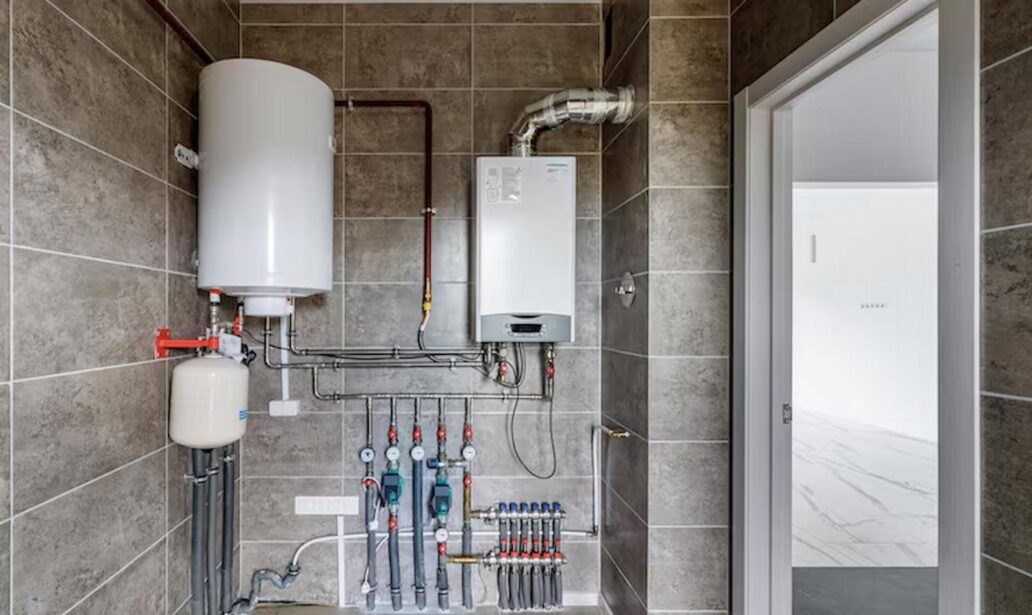
A cold shower can be one of the most uncomfortable experiences, especially when you’re expecting the soothing warmth of hot water. If you’ve woken up to find your hot water isn’t working, it’s natural to feel frustrated. Fortunately, there are several steps you can take to troubleshoot and fix the issue. In this article, we’ll guide you through what to do when you have no hot water at home, offering helpful tips and solutions to restore comfort to your home quickly.
1. Check the Thermostat
When there’s no hot water, the first place to check is the thermostat. It’s possible that your water heater’s temperature setting was accidentally changed or lowered, causing it to produce cold water. If adjusting the thermostat doesn’t solve the issue, it may be time to call for hot water repairs Perth to ensure your heater is functioning properly. Here’s what you can do:
- Turn up the thermostat: If you have a conventional hot water tank, ensure that the thermostat is set to a comfortable temperature, typically around 60°C (140°F).
- Wait and test: After adjusting the thermostat, wait about 30 minutes to see if the water heats up.
If you still don’t have hot water after adjusting the thermostat, it’s time to explore other possible issues.
2. Inspect the Pilot Light or Power Supply
For gas-powered water heaters, a common issue could be a pilot light that has gone out. In electric models, the problem might lie with a tripped circuit breaker or blown fuse.
- Gas water heater: Check the pilot light. If it’s out, you can relight it by following the manufacturer’s instructions. Be sure to turn off the gas before attempting to relight it for safety reasons.
- Electric water heater: Look for a tripped breaker in your electrical panel. Reset the breaker to see if this restores hot water.
If these quick fixes don’t work, you may need to seek the assistance of a professional technician to examine the unit.
3. Examine the Water Heater for Leaks
Another reason for no hot water could be a leak in your water heater. Over time, wear and tear can cause rust and corrosion, leading to leaks that drain the hot water from the tank. Here’s what to do:
- Look for signs of water pooling around the heater: If there is any visible water, you may have a leak.
- Check the temperature/pressure valve: This valve can sometimes malfunction and cause water leakage. Ensure it’s functioning properly.
If you spot any leaks, it’s time to call for hot water repairs in Perth as this can be a more complicated issue requiring professional help.
4. Sediment Buildup in the Tank
Over time, minerals and sediment can build up in your water heater, particularly if you have hard water. This sediment can cause the heater to become inefficient, leading to insufficient hot water or no hot water at all.
- Flush the tank: Draining and flushing the water heater every 1–2 years can help remove sediment buildup and restore its functionality.
- Call an expert: If you’re unsure how to flush the tank yourself, it’s best to seek professional help.
5. Check the Heating Element
In electric water heaters, the heating element can wear out over time, causing the water not to heat properly or not to heat at all. Here’s how to troubleshoot:
- Test the heating element: You can use a multimeter to check the element for continuity. If there is no continuity, the heating element may need replacing.
- Replace the heating element: If the element is faulty, consider replacing it. This can be done by a professional plumber or a handy DIYer.
6. Call an Emergency Hot Water Service
If all of the above steps fail to restore hot water, it’s time to call an emergency hot water service. Issues like a faulty thermostat, malfunctioning heating elements, or complex electrical problems require the expertise of a licensed technician.
Emergency hot water services are available 24/7 to quickly assess the issue and make necessary repairs or replacements. It’s important not to delay calling a professional, as continuing to use a faulty water heater could cause further damage or lead to dangerous situations.
7. Preventative Measures for Hot Water Issues
Once you’ve solved the immediate problem, consider taking these preventive measures to avoid future disruptions to your hot water supply:
- Regular maintenance: Schedule annual maintenance with a qualified technician to inspect and maintain your water heater.
- Replace old heaters: Water heaters typically last 10-15 years. If your unit is older and frequently breaking down, it may be time for a replacement.
- Install a water softener: If you have hard water, installing a water softener can help reduce sediment buildup and prolong the life of your water heater.
In Closing:
Having no hot water at home is certainly inconvenient, but with the right knowledge and prompt action, most issues can be resolved quickly. From adjusting your thermostat to checking for leaks and sediment buildup, there are a variety of troubleshooting steps you can take. However, if the issue persists, don’t hesitate to call in hot water repairs in Perth or emergency hot water services for expert assistance. Regular maintenance and prompt repairs can ensure your water heater remains efficient for years to come, keeping you comfortable and stress-free.