
Have you ever stood in the shower watching water pool around your ankles? Or perhaps you’ve noticed your kitchen sink taking forever to drain after washing the dishes? Maybe you’ve caught a whiff of something unpleasant coming from your bathroom and wondered what on earth is lurking down there?
If you’re nodding along, you’re definitely not alone. Blocked drains are one of those household headaches that every Kensington homeowner dreads. They always seem to strike at the worst possible moment – usually when you’ve got guests coming over or you’re running late for work. The good news? Many drain blockages don’t require expensive professional intervention. With a few clever tricks using items you’ve probably already got lying around your home, you can often sort the problem yourself.
In this guide, we’ll walk you through everything you need to know about tackling blocked drains kensington. From identifying the warning signs before a full blockage occurs, to step-by-step methods using everyday household items, we’ve got you covered. We’ll also help you figure out when it’s time to call in the professionals and how to prevent future blockages. Ready to become your own drain-clearing expert? Let’s get stuck into it.
What Causes Blocked Drains in the First Place?
Common Culprits: Hair, Grease, and Soap Buildup
Understanding what causes blockages is half the battle. In most Kensington homes, the usual suspects are hair, grease, and soap scum. Hair is particularly problematic in bathroom drains, where it combines with soap residue to form stubborn clogs.
Kitchen sinks face their own challenges. Cooking oils and fats might seem liquid when warm, but they solidify as they cool inside your pipes. Over time, this creates a sticky layer that traps food particles and other debris.
Foreign Objects and Debris
Sometimes blockages occur because things end up down the drain that simply shouldn’t be there. Cotton buds, sanitary products, and excessive amounts of toilet paper are frequent offenders. In the kitchen, food scraps that bypass the drain strainer can accumulate and cause problems.
Tree Roots and Outdoor Drain Issues
For outdoor drains, tree roots are a major concern. They’re naturally drawn to the moisture in your pipes and can infiltrate even tiny cracks. Once inside, they grow and expand, eventually causing serious blockages that often require professional attention.
Warning Signs Your Drain Is About to Block
Slow Draining Water
Before a drain blocks completely, it usually gives you some warning signs. The most obvious is water draining slower than usual. If your sink or shower is taking noticeably longer to empty, that’s your cue to take action before things get worse.
Unpleasant Odours Coming from Your Drains
Nobody wants to discuss it, but bad smells from your drains are a clear indicator something’s building up down there. Trapped food, hair, and other organic matter decompose over time, producing that distinctive unpleasant whiff.
Gurgling Sounds and Air Bubbles
If you hear gurgling sounds when water drains away, or notice air bubbles rising in your toilet bowl, this suggests air is trapped in your pipes. This typically happens when a partial blockage is preventing proper water flow.
Can You Unblock a Drain Yourself?
When DIY Methods Work Best
For minor blockages caused by everyday buildup, DIY approaches often work brilliantly. If the water is draining slowly but still moving, household remedies can be surprisingly effective. Fresh blockages are also generally easier to shift than ones that have been building up for months.
When to Call a Professional Plumber in Kensington
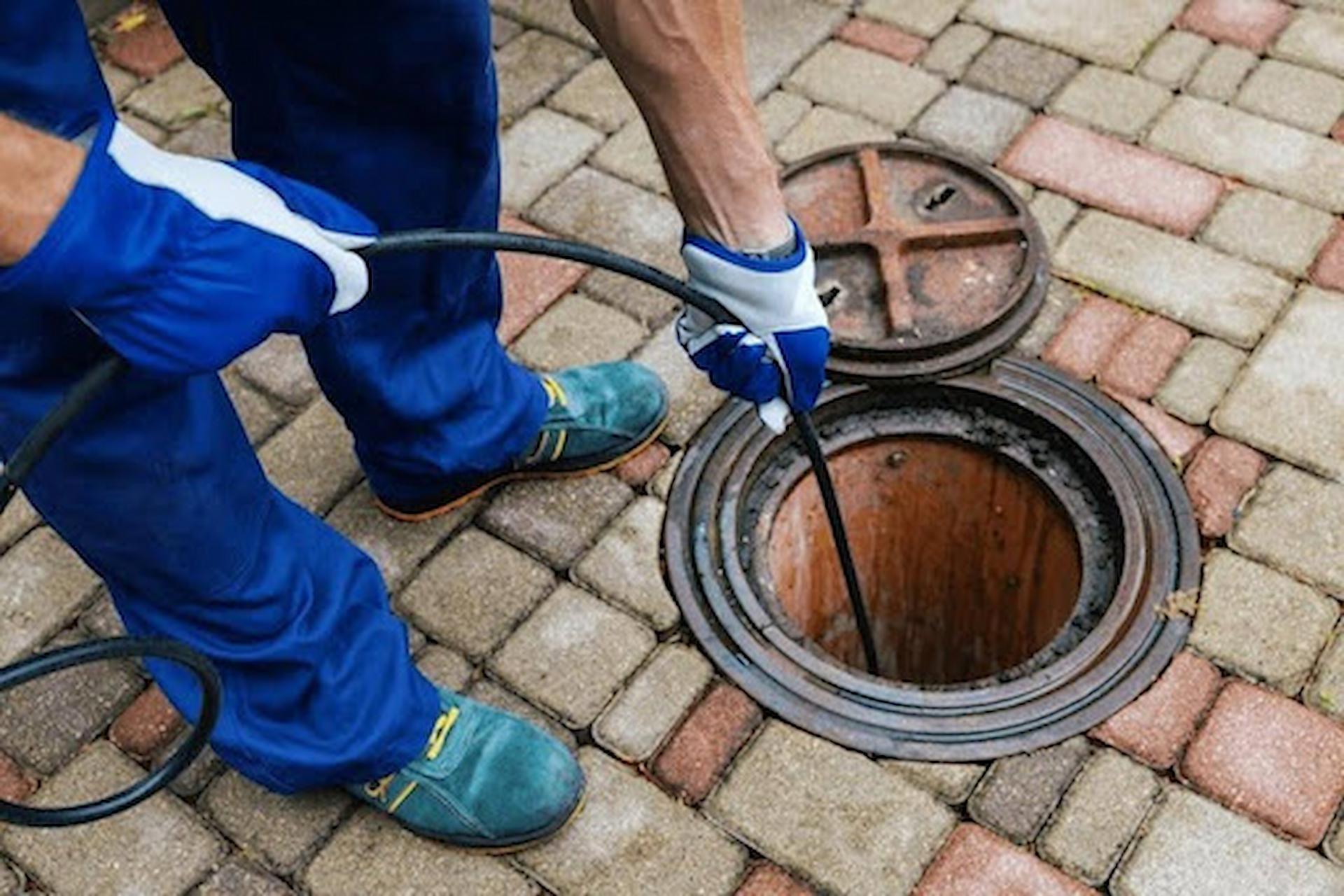
However, some situations call for expert help. If you’ve tried multiple methods without success, or if multiple drains in your home are affected simultaneously, this could indicate a more serious issue with your main sewer line. Likewise, recurring blockages in the same location suggest something more than simple buildup.
Easy Household Items That Unblock Drains
Boiling Water: The Simplest Fix
Sometimes the easiest approach works best. Boiling water can dissolve soap residue and minor grease buildup effectively. Simply boil your kettle, wait a few moments, then pour the water directly down the drain in two or three stages. Give each pour a few seconds to work before adding more.
Baking Soda and Vinegar: The Classic Combination
This tried-and-tested method creates a fizzing reaction that helps break down blockages. Pour half a cup of baking soda down the drain, followed by half a cup of white vinegar. Cover the drain and wait 15-30 minutes, then flush with hot water.
Salt and Hot Water for Grease Blockages
For greasy kitchen blockages, try mixing half a cup of table salt with hot water. The salt acts as a natural scouring agent, helping to cut through fatty deposits.
Dish Soap for Toilet Blockages
Squirt a generous amount of dish soap into a blocked toilet and let it sit for 10-15 minutes. The soap acts as a lubricant, helping to break down waste and allowing it to slide through more easily. Follow with a bucket of warm water from waist height.
Wire Coat Hangers as Makeshift Drain Snakes
Straighten out a wire coat hanger, leaving a small hook at one end. Carefully insert it into the drain and fish around to pull out any hair or debris. This works particularly well for shower and bath drains.
How Do You Unblock a Badly Blocked Drain?
The Plunger Method: Getting the Technique Right
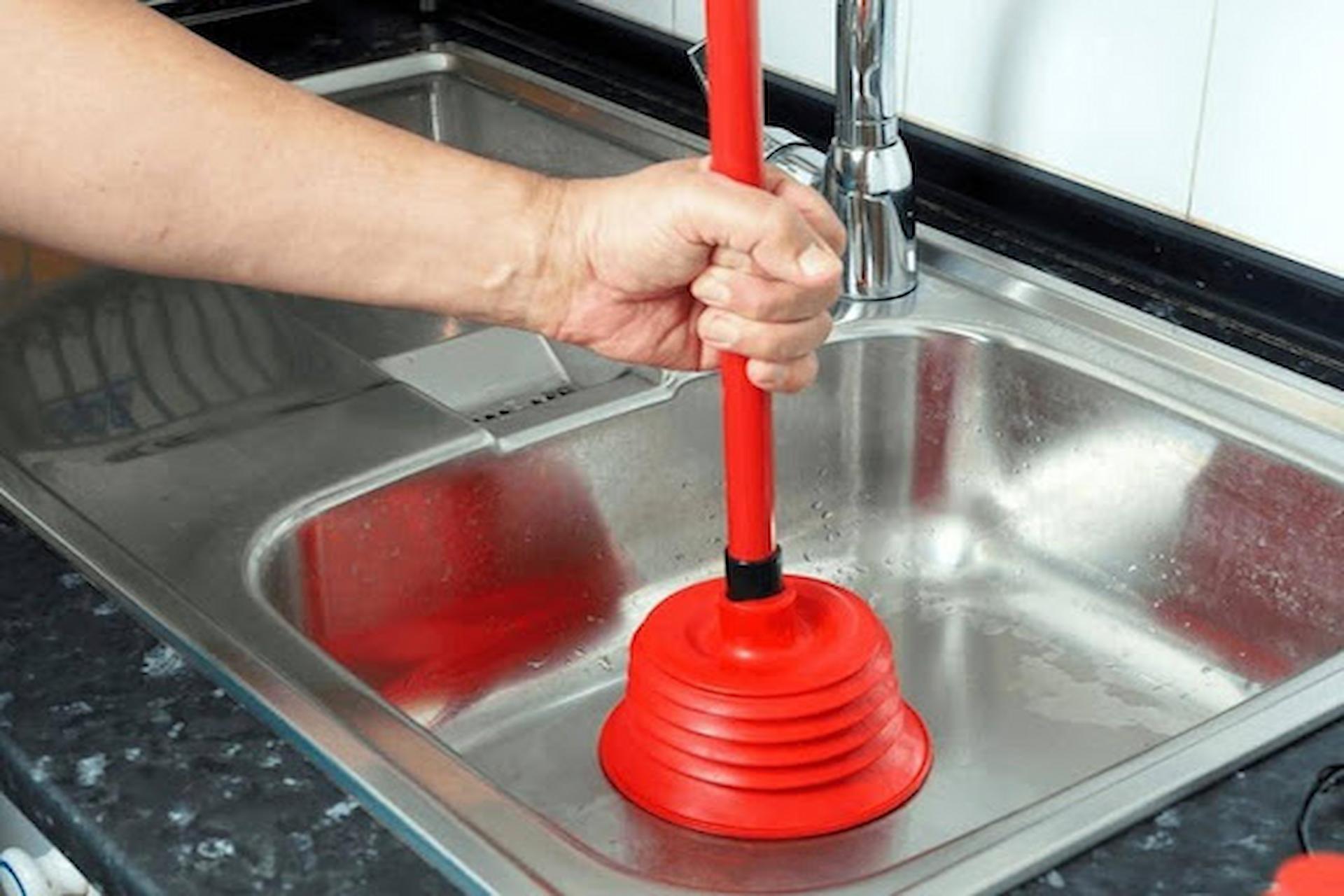
For stubborn blockages, a plunger remains one of your best tools. Make sure there’s enough water to cover the plunger cup, then create a tight seal over the drain. Use firm, consistent pumping motions – it’s the suction and pressure that does the work.
Wet and Dry Vacuum Approach
If you have a wet and dry vacuum, it can be surprisingly effective. Set it to liquids mode, create a tight seal over the drain, and the powerful suction may pull the blockage out.
Combining Multiple Household Methods
Sometimes one method alone isn’t enough. Try using baking soda and vinegar first, then follow up with the plunger. The chemical reaction loosens the blockage while the plunger provides the physical force to shift it completely.
What Is the Best Homemade Drain Unblocker?
Step-by-Step Baking Soda and Vinegar Recipe
For the most effective homemade drain cleaner, start by removing any visible debris from the drain opening. Pour half a cup of baking soda down the drain, then add half a cup of vinegar. Cover immediately and wait 30 minutes. Finish by flushing with boiling water for two minutes.
Alternative Natural Drain Cleaning Solutions
Another effective option combines salt, baking soda, and cream of tartar. Mix equal parts, pour down the drain, and flush with boiling water after 30 minutes.
Room-by-Room Guide to Clearing Blocked Drains
Kitchen sinks typically suffer from grease and food buildup, so the salt and hot water method works well here. Bathroom basins usually accumulate hair and soap, making the baking soda and vinegar combination ideal. For showers and baths, the coat hanger method is particularly effective for pulling out hair clogs.
Outdoor drains often need physical clearing of leaves and debris before any chemical treatment. Keep drain covers clear and consider installing guards to prevent future blockages.
How to Prevent Blocked Drains in Your Kensington Home
Prevention is always better than cure. Weekly maintenance makes a huge difference – simply flush drains with boiling water once a week to prevent buildup. Install drain guards and strainers to catch hair and food particles before they enter your pipes.
Equally important is knowing what should never go down your drains. Cooking oils, coffee grounds, and non-degradable items belong in the bin, not your plumbing system.
How Much Does It Cost to Unblock a Drain in Kensington?
DIY methods cost virtually nothing if you’re using household items you already own. Professional drain clearing services in Kensington typically range from, depending on the severity and location of the blockage. Factors affecting price include accessibility, time required, and whether specialist equipment is needed.
When Home Remedies Aren’t Enough
If water isn’t draining at all, multiple fixtures are affected, or you notice sewage backing up, these are signs you need emergency drain services. Persistent bad smells despite treatment also warrant professional investigation.
Keep Your Drains Flowing Freely
Managing blocked drains doesn’t have to be stressful or expensive. With the household methods we’ve covered – from simple boiling water to the trusty baking soda and vinegar combination – you’ve now got plenty of tools in your arsenal to tackle most common blockages yourself.
The key is acting quickly when you notice warning signs. A bit of preventative maintenance goes a long way too. Those weekly boiling water flushes and drain guards might seem like small efforts, but they’ll save you significant hassle down the line.
That said, don’t hesitate to call in professional help when needed. Some blockages require specialist equipment and expertise to resolve properly. Knowing when to DIY and when to call the experts is the real secret to keeping your Kensington home’s drains flowing smoothly for years to come.