
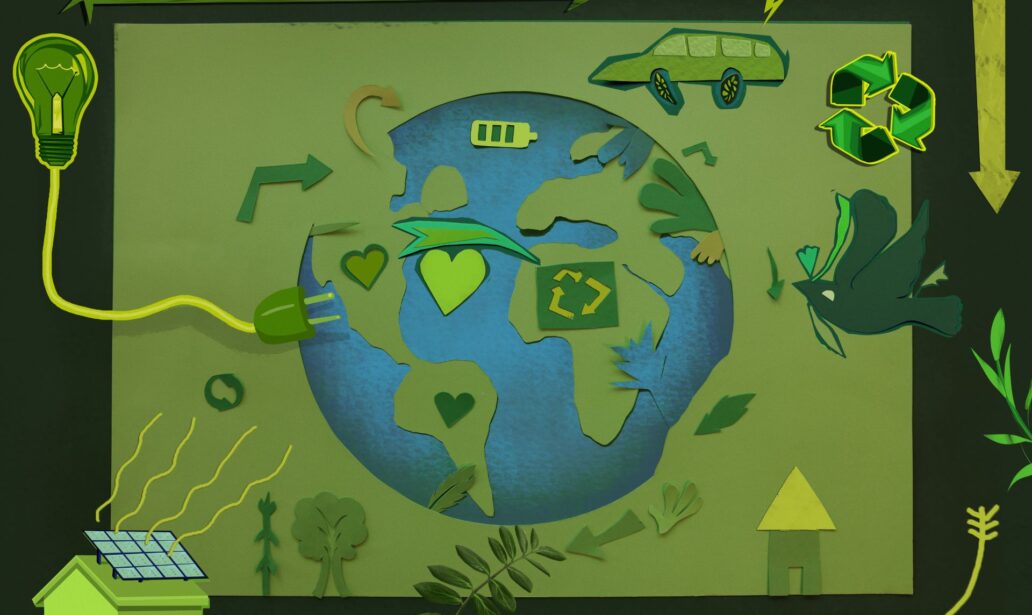
Making your home more eco-friendly does not require a big budget or a complete lifestyle overhaul. In fact, small and consistent changes can lead to meaningful results over time. Many households overlook simple habits that quietly increase energy use, waste, and environmental impact.
The good news is that reducing your carbon footprint at home is both practical and achievable. With a few mindful adjustments, you can lower energy bills, reduce waste, and contribute to a healthier planet. Let’s explore how everyday choices can make a real difference.
Understanding Your Carbon Footprint at Home
Your carbon footprint refers to the total amount of greenhouse gases produced by your daily activities. At home, this mainly comes from energy use, water consumption, waste generation, and product choices.
For example, leaving lights on, using inefficient appliances, or wasting water may seem small. However, these habits add up over time. By becoming aware of these patterns, you take the first step toward more sustainable living.
Switch to Energy-Efficient Lighting
Lighting is one of the easiest areas to improve. Traditional bulbs use more electricity and need frequent replacement. Switching to LED bulbs is a simple yet effective solution.
LED lights:
- Use less energy
- Last longer
- Produce less heat
This small change reduces electricity usage and lowers your utility bills. It also supports energy conservation without affecting comfort or brightness.
Be Smart About Electricity Usage
Many homes waste energy without realizing it. Devices left on standby mode still consume power. Chargers plugged in without use also draw electricity.
You can improve energy efficiency by:
- Turning off appliances when not in use
- Using power strips to control multiple devices
- Unplugging chargers after use
These habits may seem minor, but they reduce unnecessary energy consumption and improve overall home efficiency.
Improve Insulation and Reduce Heat Loss
Heating and cooling take up a large part of home energy use. Poor insulation allows heat to escape during winter and enter during summer.
Simple improvements include:
- Sealing gaps around doors and windows
- Using thick curtains to retain heat
- Adding rugs to reduce floor heat loss
These steps help maintain indoor temperature naturally, reducing the need for excessive heating or cooling.
Use Water More Responsibly
Water conservation plays a key role in reducing your carbon footprint. Treating and heating water requires energy, which contributes to emissions.
You can save water by:
- Fixing leaks quickly
- Taking shorter showers
- Turning off taps while brushing
Installing low-flow showerheads and faucets also helps reduce water usage without affecting performance.
Reduce, Reuse, and Recycle
Waste management is another important factor. Many household items end up in landfills, producing harmful emissions over time.
Follow these simple practices:
- Reduce unnecessary purchases
- Reuse containers and bags
- Recycle paper, plastic, and glass
You can also compost kitchen waste like vegetable peels and food scraps. This reduces landfill waste and creates natural fertilizer for plants.
Choose Sustainable Products
The products you buy have a direct impact on the environment. Many items are made using harmful processes or excessive packaging.
Look for:
- Eco-friendly cleaning products
- Reusable alternatives to single-use plastics
- Items made from recycled materials
These choices support sustainable living while reducing waste and pollution.
Make Small Changes in the Kitchen
Your kitchen habits can significantly affect your carbon footprint. Cooking, food storage, and waste all play a role.
Simple improvements include:
- Using energy-efficient appliances
- Keeping your fridge well-maintained
- Avoiding food waste by planning meals
Eating more plant-based meals also helps reduce environmental impact. Meat production requires more resources compared to vegetables and grains.
Embrace Natural Light and Ventilation
Using natural light during the day reduces the need for artificial lighting. Open curtains and arrange your space to allow sunlight in.
Good ventilation also reduces the need for fans and air conditioners. Fresh air improves indoor comfort and lowers energy use at the same time.
Upgrade to Energy-Efficient Appliances
If you are replacing appliances, choose energy-efficient models. Look for high energy ratings when buying refrigerators, washing machines, or air conditioners.
While the upfront cost may be higher, these appliances:
- Use less electricity
- Last longer
- Lower long-term expenses
This is a smart investment for both your home and the environment.
Build Sustainable Daily Habits
Consistency is key when it comes to reducing your carbon footprint. Small actions, when repeated daily, create lasting change.
Try to:
- Turn off lights when leaving a room
- Carry reusable bags when shopping
- Avoid overusing heating or cooling systems
These habits require little effort but deliver long-term benefits.
Why Small Changes Matter
It is easy to assume that small efforts do not make a difference. However, when multiplied across households, these actions create a large positive impact.
Lower energy use reduces demand on power plants. Less waste means fewer landfills. Responsible consumption supports sustainable industries.
Each small step contributes to a cleaner and more balanced environment.
Conclusion
Reducing your carbon footprint at home does not require drastic changes. It starts with simple, mindful decisions. From saving energy and water to choosing better products, every action counts.
Focus on consistency rather than perfection. Over time, these small changes will become habits. And those habits will shape a more sustainable lifestyle for you and future generations.