
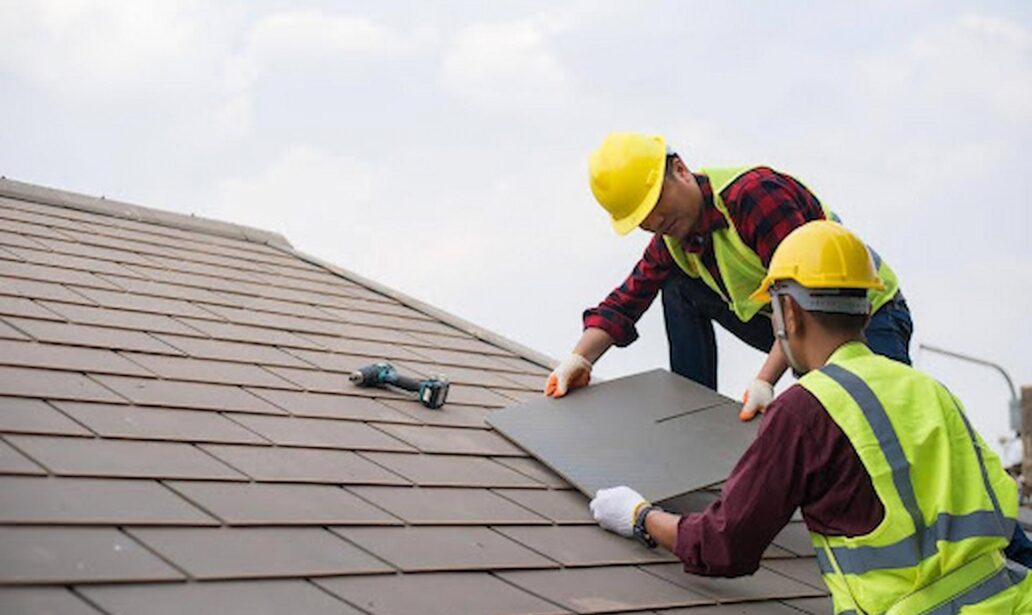
Is your roof beginning to display signs of damage? Some tile were perhaps missing, some other badly damaged, and dark stains appear loud enough to beg your attention. Way up there, in your attic, have you noticed an increase in heating or cooling bills that have caught your disbelief along with an unexplainable? All these appear to implicate a roof in distress. But how would one tell when a roof repair becomes necessary? Is it something that ought to be considered an emergency, or could you push it down the priority scale without being overtly worried?
Welcome To this detailed guide in helping you decipher the signs that your roof is in dire need of urgent attention! Roof repair is usually unavoidable and often takes a back seat until grave consequences are at hand. As they say, identifying signs early can aid in saving your roof from hefty damages further down the line.
You may be a veteran homeowner wondering whether a tap-tap or two from the new leak during last night’s storm warrants a call to the roofer; or perhaps you’re a new owner wondering if some strange echo in your attic is keeping you up at night. Either case, it’s important to know the warning signals. This blog post will provide you with a bit more understanding on when to schedule roof repairs so that you can ensure the longevity and beauty of your home.
Spotting the Obvious: Visible Signs Your Roof May Need a Repair
There are a number of exterior signs which could give you a hint of potential roof damage. Are broken or missing shingles showing up? Are granules collecting in your gutters? These could imply your roof might need immediate repair.
Another common sign of roof damage is sagging areas. This could be because of the weight of accumulated water or debris; however, if you notice light peeping in through your roof or a month-long leak every time it rains, do not waste a second to call in the expert.
Don’t mess around with those ugly little dark stains or that moss growing on your roof. Yes, it may be just a cosmetic issue. But more often than not, moss can cause a lot of serious damage to your roof.
The Hidden Problems: Interior Signs of Roof Damage
Symptoms of roof damage may not always be glaringly obvious outside; sometimes internal signs will tell you that your roof is bad. For instance, if water stains suddenly begin appearing on your interior walls and ceilings, that maybe due to water leaking through from the roof?
Surging energy costs for roof insulation may also be substandard. Furthermore, some black mold fungus growth in your attic is a surefire sign of poor ventilation.
Please note that not being able to see these signs does not mean they do not exist. Regular inspection will stop minor problems from growing into major ones.
Weather Impact: How Nature Affects Your Roof
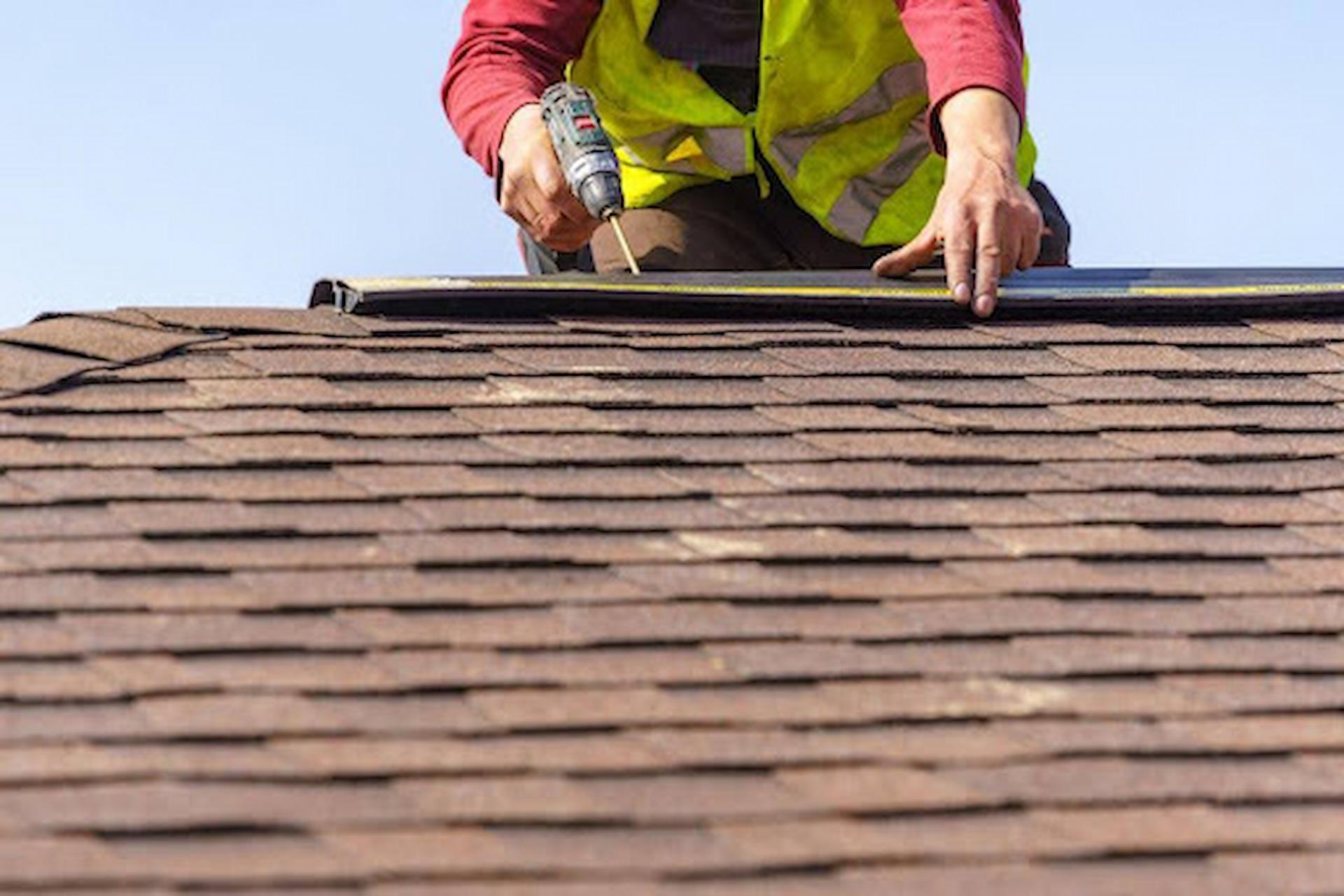
Ruined weather can take its toll on a roof’s life span. Wind, rain, hail, sunshine, these catastrophes seem to weaken the roof structures in the course of time.
It’s a common scene post-strom to see loose or missing shingles after a storm in areas of strong winds or hurricane hits. Persistent sunlight damages roofing material and leads to cracks or blisters. Inhabitants of such areas are good to channel in the habit of roof inspections.
Environmentally speaking, overhanging tree limbs resting on your roof can scratch and damage roofing materials during windy conditions. It is important to trim trees that are close to your house regularly.
The Cost-Benefit Analysis: Pros and Cons of Immediate Roof Repair
On the surface, putting off roof repairs may appear to be saving you money, but long-term, you will definitely pay for it. Deal with the small ones early in order to preserve the strength of your roof against the damaging consequences. In addition, you get to keep the charm and worth of your house.
However, one may not always agree that hasty repair work is the solution. If your roof is approaching its life expectancy, a complete replacement may prove to be a much better use of money.
Taking The Right Steps: Maintenance and Inspection
Regular inspections and maintenance could help sense trouble before it gets out of hand. Seasonal inspections following hectic weather could aid in ensuring minor issues do not escalate.
Your roof is one of the main components of your house, and your attention is worth giving it! Just remember that although some problems respond well to DIY fixes, bigger repairs are always better left to the professionals.
Conclusion
Recognizing what symptoms demand repairs and acting promptly can save one the further inconvenience and expenses in the long run. Early recognition equals lower damage and low price-keep this in mind. It might seem threatening at first, but the power of knowledge comes in here. Even these signs, recognised early enough, will encourage you to squash what would be a possibly catastrophic situation into one that could be a manageable, if not relatively minor repair. Equip yourself with knowledge and do the right thing for your house. And don’t forget-in case of doubt, always call the expert!