
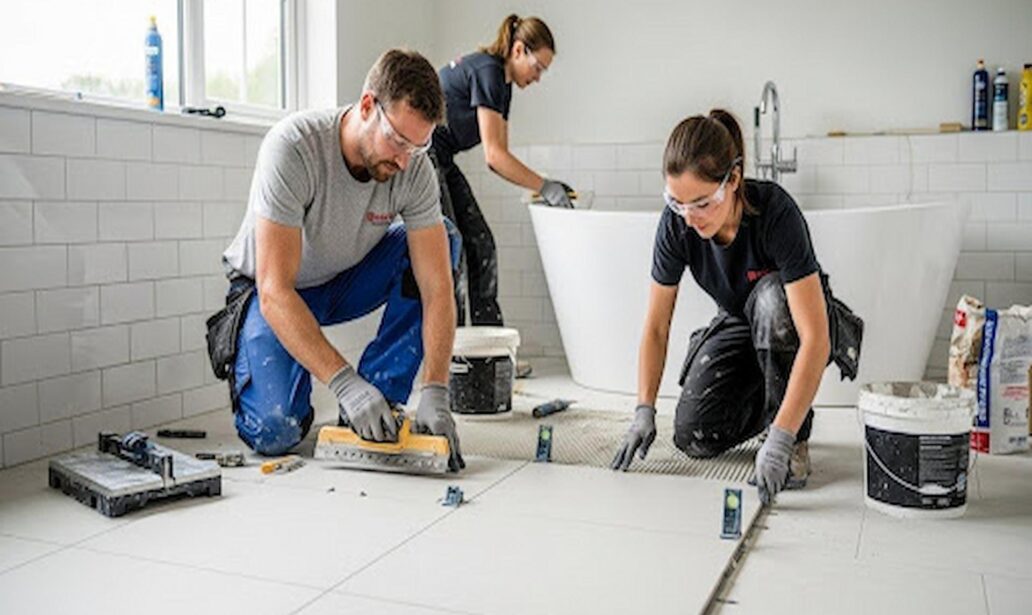
Choosing the right commercial tilers is a big step for any home improvement project that involves large-scale flooring, walls, or wet areas. In Australia, the market is full of skilled tradespeople, but not all of them meet the same standards or understand local regulations. This guide walks you through the most important things to look for, how to compare providers, and what you need to know about Australian rules so you can make a confident decision that protects your budget and your property.
Why Commercial Tilers Matter for Home Improvement
When you upgrade a kitchen, bathroom, patio, or even a small retail space at the back of your home, the quality of the tile work can affect durability, safety, and resale value. Professional commercial tilers bring expertise in handling large areas, complex patterns, and heavy-duty substrates that typical residential installers may not be trained for. Their work also influences how well the tiles resist moisture, foot traffic, and temperature changes – all critical factors in the Australian climate.
Key Factors to Consider When Selecting Commercial Tilers
1. Licensing and Insurance
In every Australian state and territory, a commercial tiler must hold a valid contractor licence. Check the local regulator – for example, Service NSW, Consumer Affairs Victoria, or the Queensland Building and Construction Commission – to confirm the licence number. Insurance is equally important; a public liability policy protects you if damage occurs on site, and workers’ compensation covers any injuries to the crew.
2. Experience with Commercial Projects
Ask for a portfolio that shows work on projects similar to yours – such as large kitchens, commercial-style bathrooms, or outdoor decks. Look for evidence of handling:
Large-format tiles (600 mm × 600 mm or larger)
Water-tight installations in wet areas
Heavy-traffic flooring that meets AS 3958.1 standards
3. Knowledge of Australian Standards
Commercial tilers should be familiar with the key standards that govern tile installation:
AS 3958.1 – Ceramic Tiles
AS 4586 – Slip Resistance (essential for pool decks and commercial kitchens)
National Construction Code (NCC) – especially the requirements for fire-rated walls and floors
4. Local Supplier Relationships
A tiler who works with reputable Australian suppliers can secure better pricing and faster delivery. Look for connections with companies in your state, such as Tile Imports (NSW), Tile & Stone (Victoria), or Queensland Tile Centre. These relationships often translate into lower material costs and access to locally-produced tiles that suit the climate.
5. Transparent Pricing and Contracts
Ask for a detailed quote that breaks down labour, materials, preparation work, and any contingency fees. A clear contract should outline the scope, timeline, payment schedule, and warranty terms. In Australia, a 12-month workmanship warranty is common for commercial tiling jobs.
Understanding Australian Regulations for Tile Work
Each state has its own building authority, but most follow the National Construction Code (NCC). When you hire commercial tilers, you need to ensure that the work complies with:
Fire-rating requirements for wall and floor assemblies (especially in commercial-type spaces)
Slip-resistance ratings for public areas, pools, and kitchens
Water-proofing standards for wet zones, such as AS 3740 – Waterproofing of Domestic Wet Areas
If your project is located in a heritage-listed area, such as parts of Sydney’s inner suburbs or Melbourne’s historic lanes, you may also need approval from the local council’s heritage committee. Commercial tilers with experience in heritage projects can navigate these extra steps without delay.
Finding Local Commercial Tilers in Australia
1. Online Directories and Review Sites
Websites like ServiceSeeking, HiPages, and local Google Business listings let you filter by “commercial tilers” and read customer reviews. Pay attention to feedback about timeliness, cleanliness, and adherence to budgets.
2. Trade Associations
The Tile & Stone Association of Australia (TSAA) maintains a list of certified members. Choosing a tiler who is a TSAA member signals a commitment to ongoing training and industry best practices.
3. Word-of-Mouth Recommendations
Talk to neighbours, local builders, or property managers who have recently completed renovations. In regional towns like Ballarat, Toowoomba, or Bunbury, personal referrals often lead to reliable commercial tilers who understand the local climate and material availability.
Evaluating Portfolios and References
When a commercial tiler provides a portfolio, look for:
Clear before-and-after photos
Details of tile types (porcelain, natural stone, mosaic)
Evidence of meeting slip-resistance and waterproofing standards
Ask for at least three recent references. Contact each reference and ask:
Was the project completed on schedule?
Did the tiler clean up the site daily?
Has the tile work held up after six months of use?
Budget and Cost Considerations
Commercial tiling costs in Australia vary by state, tile material, and job complexity. Typical labour rates range from $55 to $85 per hour, while material costs can be $30 to $120 per square metre for standard porcelain tiles. To keep your budget in check:
Get at least three quotes and compare line items.
Consider bulk purchasing if you have a large area (over 100 m²).
Ask about any hidden fees, such as disposal of old tiles or extra preparation work.
Managing the Project Timeline
A typical commercial tiling project follows these stages:
Site inspection and measurement
Surface preparation (leveling, waterproofing)
Tile layout and dry-run
Installation of tiles and grouting
Final cleaning and handover
Explain each stage to your tiler and request a written schedule. In Queensland’s humid coastal regions, allow extra drying time for waterproof membranes. In the drier interior of South Australia, you may need to schedule a short break for the adhesive to cure fully before heavy traffic.
Maintaining Tiles After Installation
Proper maintenance extends the life of your tiled surface. Commercial tilers should provide a care sheet that includes:
Recommended cleaning agents (pH-neutral for natural stone)
Frequency of sealing for porous tiles
Tips for preventing grout staining in high-traffic areas
In Australian homes where outdoor tiles are exposed to UV and salt spray, especially in Perth or Adelaide, a high-quality sealant helps prevent fading and erosion.
Questions and Answers: Common Questions About commercial tilers in Australia
1. Do I need a licence to hire commercial tilers in NSW?
Yes. In New South Wales, any contractor who performs tile work on a commercial scale must hold a Builder’s Licence (Class 2 or Class 4). You can verify the licence on the Service NSW website using the licence number provided by the tiler.
2. What is the typical warranty for commercial tiling work?
Most Australian commercial tilers offer a 12-month workmanship warranty that covers tile movement, grout failure, and adhesion issues. Some may extend the warranty to two years if they use premium materials or have a strong track record.
3. How do I ensure my tiles meet slip-resistance standards for a pool deck?
Ask the tiler to provide a slip-resistance rating that complies with AS 4586. Tiles with a rating of R10 or higher are suitable for pool decks and other wet areas. The tiler should also use a non-slip grout and a suitable waterproofing membrane.
4. Can commercial tilers work on heritage-listed properties?
Yes, but they need experience with heritage regulations. The tiler must coordinate with the local council’s heritage officer and use reversible fixing methods where required. Look for a tiler who has completed projects in historic precincts of Sydney, Melbourne, or Hobart.
5. What are the main cost drivers for a commercial tiling project in Queensland?
Key drivers include:
Tile material – porcelain is cheaper than natural stone.
Surface preparation – removing old tiles or leveling concrete adds labour.
Waterproofing – essential for outdoor decks and bathrooms.
Travel distance – remote regional sites may incur additional travel charges.
Conclusion: Your Path to a Successful commercial tilers in Australia
Selecting the right commercial tilers is a blend of checking credentials, understanding local standards, and matching experience to your project’s needs. Start by confirming licences and insurance, then review portfolios that demonstrate compliance with AS 3958.1, AS 4586, and the NCC. Use reputable directories, trade associations, and personal referrals to find providers who have strong relationships with Australian tile suppliers. Compare detailed quotes, ask about warranties, and set a clear timeline that respects climate-related drying times. Finally, follow the maintenance advice given by your tiler to keep the tiles looking great for years to come. By following these steps, you’ll protect your investment, stay within budget, and enjoy a durable, attractive finish that adds value to your home.