
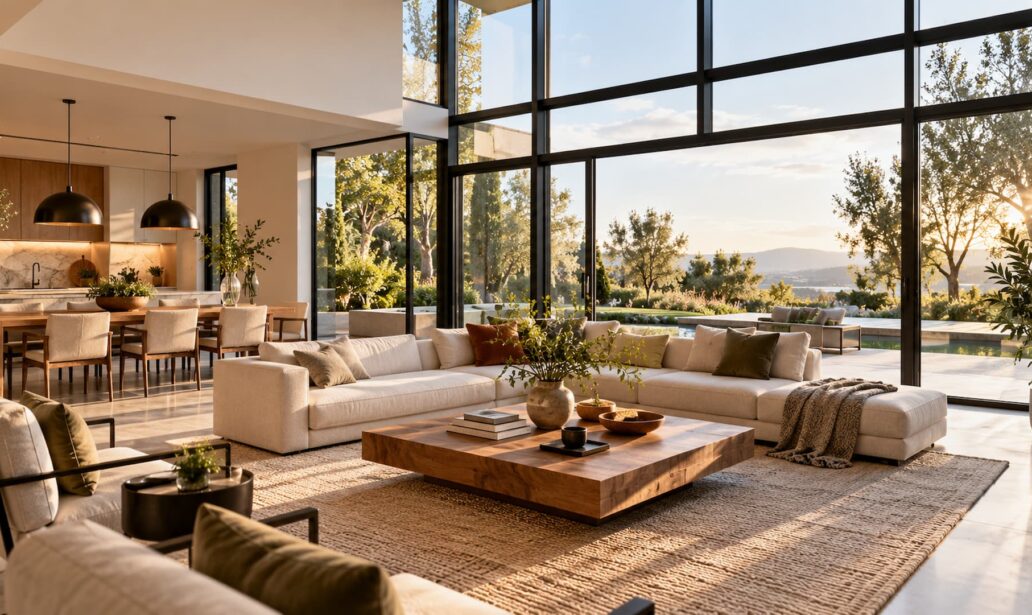
Windows do more than let in light. They shape how a home feels from the street and how it lives on the inside. The right window style can make a small room feel open, give a plain facade real character, and even cut down your energy bills. If you’re planning a renovation or building new, it’s worth thinking about windows as a design feature, not just a functional necessity.
Here’s a look at the modern window styles worth considering, and how to pick the right one for your home.
Why Window Design Matters More Than You Think
A window is one of the first things people notice about a house. It frames views, controls natural light, and influences the overall architectural style. Choose the wrong shape or placement, and even a beautifully built home can feel off-balance. Choose well, and windows become a quiet signature that ties the whole exterior together.
Beyond looks, modern windows also affect comfort and cost. Better glazing and framing materials mean less heat loss in winter and less strain on your air conditioning in summer. So the decision isn’t purely aesthetic. It’s practical too.
Popular Modern Window Styles
Floor-to-Ceiling Windows
These make a bold statement. By extending glass from floor to ceiling, you erase the visual barrier between indoors and outdoors. They work especially well in living rooms or spaces with a good view, flooding rooms with natural light and making them feel considerably larger than they are.
Picture Windows
Picture windows are large, fixed panes with no moving parts. Because there’s no frame breaking up the glass, you get an unobstructed view, almost like a piece of living artwork. They’re a favorite in modern and minimalist homes where clean lines matter.
Casement Windows
Hinged on one side and opening outward like a door, casement windows offer excellent ventilation and a tight seal when closed. Their simple, uncluttered look fits naturally into contemporary designs, and they’re a smart pick for spots where you want maximum airflow, like kitchens or bathrooms.
Bay and Bow Windows
These project outward from the exterior wall, adding extra interior space and a distinctive architectural curve or angle to the facade. Bay windows use three panels set at angles, while bow windows use four or more for a gentler curve. Both add depth and charm, and they’re great spots for a window seat or reading nook.
Skylights
Skylights bring light in from above, which is especially useful in rooms that don’t have much wall space for traditional windows. They work well in hallways, bathrooms, and lofts, adding a sense of openness without sacrificing privacy.
Black-Framed Windows
This is less about window type and more about finish, but it deserves a mention. Black frames have become a signature look in modern architecture. They create sharp contrast against light-colored walls and give even simple window shapes a striking, tailored appearance.
Choosing the Right Style for Your Home
Not every window style suits every home. Here’s what to think through before you decide:
- Architectural style: A farmhouse calls for different windows than a mid-century modern build. Match the window shape to the overall character of the house.
- Natural light needs: North-facing rooms often benefit from larger windows to compensate for softer light, while south-facing rooms may need shading options built in.
- Ventilation: If a room needs airflow, prioritize operable styles like casement or awning windows over fixed picture windows.
- Privacy: Bedrooms and bathrooms may call for higher placement, frosted glass, or smaller openings.
- Budget: Custom shapes and larger glass panes cost more, both upfront and in ongoing maintenance, so weigh style against long-term value.
Energy Efficiency Is Part of the Design
Modern windows aren’t just about looks. Double or triple glazing, low-E coatings, and quality framing materials like fiberglass or vinyl all contribute to better insulation. When you’re comparing styles, ask about energy ratings too. A gorgeous window that leaks heat all winter isn’t doing your home any favors.
FAQs
What is the most energy-efficient window style?
Casement windows tend to be among the most energy-efficient because they seal tightly against the frame when closed, reducing air leakage.
Are black-framed windows more expensive than white ones?
Generally yes, since black frames often require special coatings or materials to resist fading and heat absorption, but the price difference varies by manufacturer.
Can I mix different window styles in one home?
Yes, many modern homes combine styles, like pairing picture windows in the living room with casement windows in the kitchen, as long as the overall look stays cohesive.
Do skylights cause heat loss in winter?
Quality skylights with proper glazing and insulation minimize heat loss, but older or poorly installed ones can be a weak point in a home’s energy efficiency.
How much natural light can I expect from a floor-to-ceiling window versus a standard window?
Floor-to-ceiling windows typically let in significantly more natural light since the glass spans the full wall height, whereas standard windows only cover a portion of it, so rooms with floor-to-ceiling glass tend to feel brighter throughout the day, even with fewer fixtures on.
Conclusion
Modern window design sits at the intersection of style and function. The best choice for your home depends on your architecture, your light and airflow needs, and how much of a statement you want your windows to make. Whether you lean toward the drama of floor-to-ceiling glass or the classic charm of a bay window, thoughtful window design can transform how your home looks and feels, inside and out.