
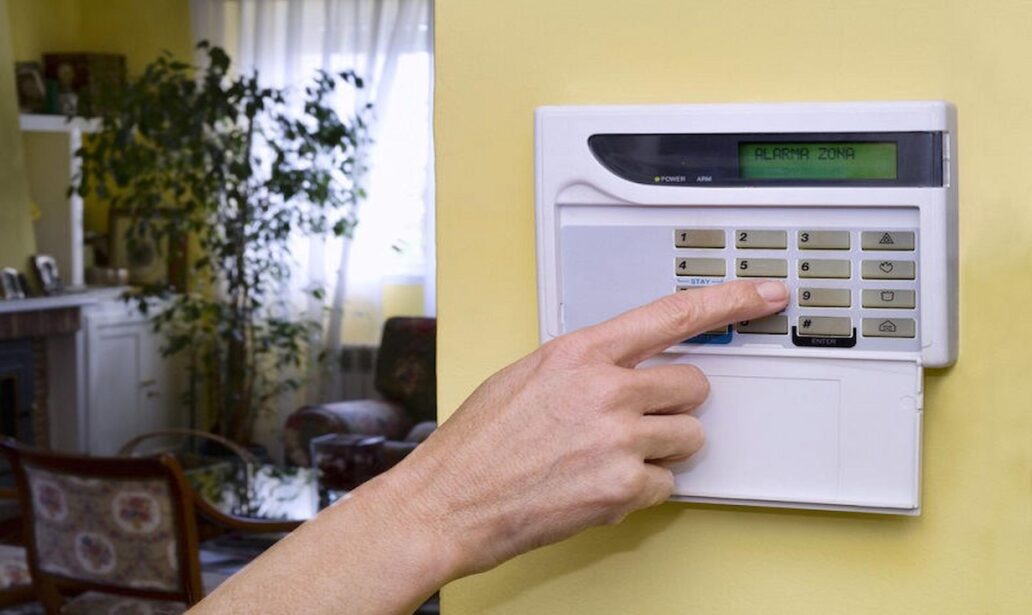
When you walk through the aisles of a typical hardware store in Australia, or browse online marketplaces, you will see dozens of security alarm options. Some are cheap DIY kits that stick to the wall with adhesive tape; others are complex systems that promise the world. But for professional security installers and discerning homeowners, one name consistently rises to the top: Bosch.
Bosch Alarm Systems have earned a reputation that is hard to rival. They are not merely noisemakers designed to scare off a teenager trying to steal a bicycle. They are sophisticated, German-engineered security platforms designed to protect families, businesses, and high-value assets.
The difference lies in the philosophy of the build. While ordinary alarms focus on being a gadget, Bosch focuses on reliability. In the security world, a false alarm is a nuisance that annoys the neighbours and leads to complacency. A failed alarm is a catastrophe. Bosch systems are built to eliminate both scenarios, providing a level of stability and intelligence that generic brands struggle to match.
The Brain of the Operation: The Solution Series
At the heart of the Bosch ecosystem is the control panel. In Australia, the “Solution” series—specifically the Solution 2000, 3000, and 6000—is ubiquitous.
Unlike cheaper systems that run all their logic through a flimsy plastic keypad, the brain of a Bosch Alarm Systems setup is a robust metal box, usually hidden away in a wardrobe or cupboard. This separation is crucial. If an intruder smashes the keypad at the front door, the system does not stop working. The brain is safe, the siren continues to scream, and the monitoring signal is still sent.
Scalability for Every Home
One of the key advantages is scalability. A small apartment might start with a basic Solution 2000 kit with three sensors. As the family moves to a larger home or renovates, that same system logic can expand. The Solution 6000, for example, can handle up to 144 zones. This means you can secure every window, every door, the garage, and even the shed in the backyard, all controlled from a single interface. Ordinary alarms often hit a hard limit, forcing you to rip everything out and start again if you want to expand.
Sensor Technology: Ignoring the Dog, Catching the Thief
The most common complaint about home alarms is false triggers. A spider crawls across the lens, a curtain blows in the wind, or the family dog jumps on the sofa, and suddenly the siren is wailing at 3:00 AM.
This is where the engineering of Bosch Alarm Systems shines. Their “Blue Line” Gen2 detectors are a masterpiece of sensor technology. They use a combination of Passive Infrared (PIR) and Microwave technology.
PIR: Detects heat movement (like a body moving across a room).
Microwave: Uses radar to detect physical movement.
For the alarm to trigger, both sensors must agree that there is an intruder. If the PIR sees a heat change (like the sun hitting the floor) but the microwave sees no movement, the alarm stays silent.
Furthermore, their Pet Friendly sensors are genuinely effective. They are designed to ignore targets up to a certain weight (usually around 13-20kg) and height close to the ground. This allows Australian families to leave their pets inside while the house is armed, without fear of false alarms. Ordinary alarms often claim to be pet-friendly but fail in practice, leading to homeowners simply turning the system off—which defeats the entire purpose.
Connectivity in a Modern World
We live in a connected age. We expect to control our lights, our air conditioning, and our banking from our smartphones. Security should be no different.
Older or cheaper alarms are often islands; they make noise but don’t talk to you. Bosch Alarm Systems integrate seamlessly with mobile apps via the Bosch RSC+ app. This allows you to arm and disarm your system remotely.
Imagine you are at work and your cleaner arrives. Instead of giving them your master code (a security risk), you can disarm the system from your desk, let them in, and re-arm it when they leave. You also receive push notifications instantly if an alarm event occurs. This connectivity transforms the alarm from a passive box into an active management tool for your home.
NBN Compatibility
The rollout of the National Broadband Network (NBN) caused headaches for many older security systems that relied on copper phone lines. Bosch anticipated this. Their panels are designed to work with NBN modems or, even better, with wireless GPRS modules. This ensures that even if the internet goes down or the phone line is cut, the system can still communicate with the monitoring centre or your phone via the mobile network.
Aesthetics and Interface
Let’s be honest: nobody wants an ugly piece of plastic on their newly painted hallway wall. Industrial design is another area where Bosch separates itself from the budget pack.
The touchscreens for the Solution 6000 series are sleek, responsive, and intuitive. They look like a modern smart home controller rather than a 1990s calculator. They are available in black or white to match your decor.
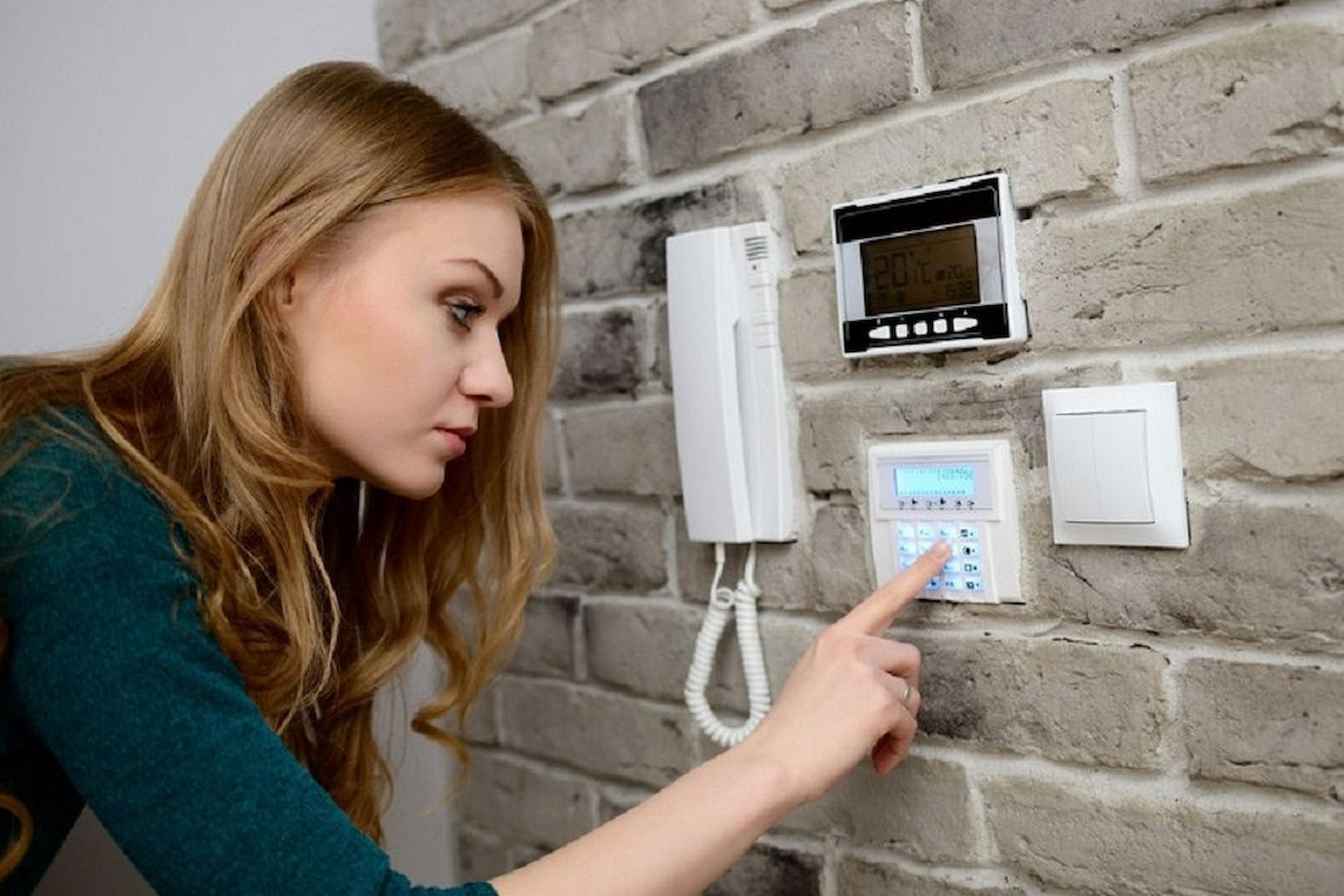
More importantly, the menu structure is logical. Ordinary alarms often require you to memorize complex strings of numbers to bypass a zone or change the time. Bosch Alarm Systems use plain English text menus. If you want to change a user code, you scroll to “Users,” select “Change Code,” and follow the prompts. This ease of use ensures that every member of the family, from teenagers to grandparents, can use the system confidently.
Integration with Access Control
For businesses or large homes, security is not just about keeping people out; it is about managing who comes in. The Solution 6000 panel is a hybrid system. It is both an intrusion alarm and an access control system.
You can install proximity readers at your doors. Staff or family members can simply present a tag or card to unlock the door and disarm the alarm in one motion. This eliminates the need for keys, which can be copied or lost. You can also set time zones. For example, the gardener’s tag might only work between 8:00 AM and 5:00 PM on Tuesdays. At any other time, access is denied. Ordinary alarms rarely offer this level of granular control.
Durability and Warranty
In the Australian climate, electronics can suffer. Heat, humidity, and dust are enemies of circuit boards. Bosch components are built to commercial standards. They are rigorously tested to withstand temperature fluctuations.
This durability is backed by a solid warranty. When you have a Bosch Alarm Systems package installed by a professional, you are covered by a manufacturer that has been around for over a century. If a sensor fails in two years, parts are available. With many “no-name” import alarms, if a component breaks, you often find the manufacturer no longer exists or the specific part is discontinued, rendering the whole system useless.
Questions and Answers: Common Questions About Bosch Alarm Systems in Australia
Q: Can I install a Bosch alarm system myself?
While it is technically possible for a skilled DIY enthusiast to mount the sensors, programming a Bosch Alarm Systems panel requires specific knowledge. The wiring involves end-of-line resistors and tamper circuits that must be precise. If wired incorrectly, the system might function but fail to trigger during a break-in. Furthermore, connecting it to the mains power requires a licensed electrician in Australia. It is highly recommended to have it installed by a certified professional to ensure it meets Australian Standards (AS 2201).
Q: Will my Bosch alarm work if the power goes out?
Yes. Every professional Bosch installation includes a large backup battery located in the main control panel box. This battery keeps the entire system—sensors, keypad, and siren—running for a significant period (typically 24 to 48 hours) during a blackout. Once power is restored, the battery automatically recharges.
Q: Do I need a landline phone connection?
No. While older models used landlines, modern Bosch panels are designed for the wireless era. You can install a GPRS/4G module that uses a SIM card to communicate. This is actually more secure than a landline because the communication path cannot be physically cut by a burglar outside the house.
Q: Is the Bosch system compatible with my smoke alarms?
You can integrate specific 12-volt smoke detectors into your Bosch panel. This is a superior setup to standard battery smoke alarms. If fire is detected, the Bosch siren (which is much louder) will sound, and if you have monitoring, the fire brigade can be alerted immediately, even if you are not home.
Q: What is the difference between “Stay” and “Away” modes?
This is a fantastic feature for night-time security. “Away” mode turns on every sensor in the house when you leave. “Stay” (or “Night”) mode allows you to arm only the perimeter sensors (doors and windows) or specific zones (downstairs) while leaving the internal sensors (bedrooms, hallway) off. This allows you to walk around your home at night to get a glass of water while the alarm protects the shell of the house.
Conclusion
Choosing a security system is a decision about trust. You are trusting a machine to watch over your most valuable possessions and people when you are not there. While the market is flooded with options, Bosch Alarm Systems stand apart because they honor that trust with engineering excellence.