
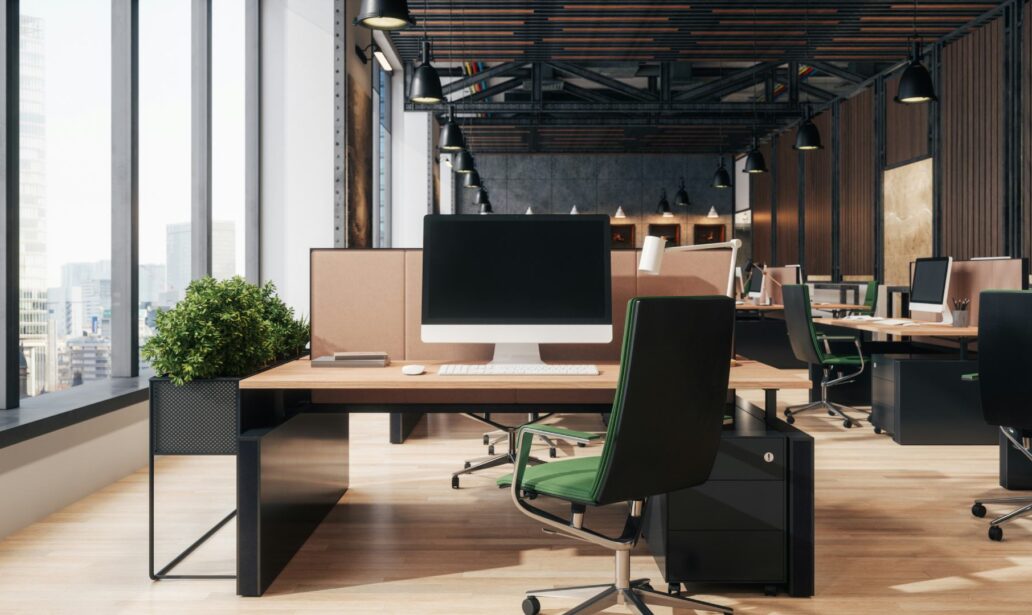
Workplace interiors today are evolving rapidly to prioritise human comfort over traditional corporate rigidity. The goal is simple yet powerful: create spaces where employees feel relaxed, inspired, and genuinely at ease, turning the daily grind into something that feels closer to a welcoming living room than a sterile workspace. This shift reflects a deeper understanding that people perform better when their surroundings nurture well-being rather than merely accommodate tasks.
The Rise of Resimercial Design
Designers are increasingly drawing inspiration from residential aesthetics, often called “resimercial” style. Think soft upholstery on lounge seating, warm wooden textures, and layered lighting that mimics the gentle glow of home rather than harsh fluorescent overheads. Plush sofas replace stiff conference chairs in breakout areas, while area rugs and throw pillows add tactile warmth. These elements encourage informal conversations and moments of recharge, making the office a destination people actually look forward to visiting rather than a place they endure.
Bringing Nature Indoors
Natural elements play a central role in this transformation. Biophilic design brings the outdoors inside through abundant greenery, living walls, and organic materials like reclaimed wood, stone, and bamboo. Large windows maximize daylight, which helps regulate moods and energy levels throughout the day. Indoor plants not only purify air but also reduce stress, with research showing noticeable improvements in focus and creativity when nature is integrated thoughtfully. Soft curves in furniture, textured fabrics, and earthy color palettes further soften the environment, creating a sense of calm that contrasts sharply with the cold minimalism of older office layouts.
Flexible and Human-Centered Spaces
Flexible zones allow the space to adapt to different needs without feeling chaotic. Quiet nooks with acoustic panels offer sanctuary for deep concentration, while open communal areas with comfortable seating foster collaboration. Modular furniture makes it easy to reconfigure layouts for hybrid teams, ensuring the office supports both individual focus and group interaction. Personal touches, such as customizable corners or shelves for personal items, give employees a subtle sense of ownership, reinforcing the feeling that this is a shared home base rather than an impersonal workplace.
Thoughtful Details That Matter
Lighting and acoustics receive equal attention in these comforting designs. Layered illumination combines task lights, ambient sources, and natural daylight to avoid eye strain and create inviting atmospheres. Sound-dampening materials keep noise levels manageable, preserving privacy and reducing fatigue. Sustainable choices, including eco-friendly materials and energy-efficient systems, add another layer of thoughtful care that aligns with modern values of health and responsibility.
Why Comfort Wins
Ultimately, these interiors succeed by blurring the line between work and comfort. When an office feels less clinical and more like an extension of home warm, human, and restorative employees arrive with better energy and leave with greater satisfaction. The result is not just prettier spaces, but environments that genuinely support productivity, creativity, and a healthier work-life balance. Companies embracing this approach are discovering that comfort is no longer a luxury; it has become essential for attracting and retaining talent in a world where people crave spaces that respect their humanity.